



Cummins Generator Maintenance Tips to Extend Service Life
Why Maintenance Needs Depend on Your Actual Operating Environment
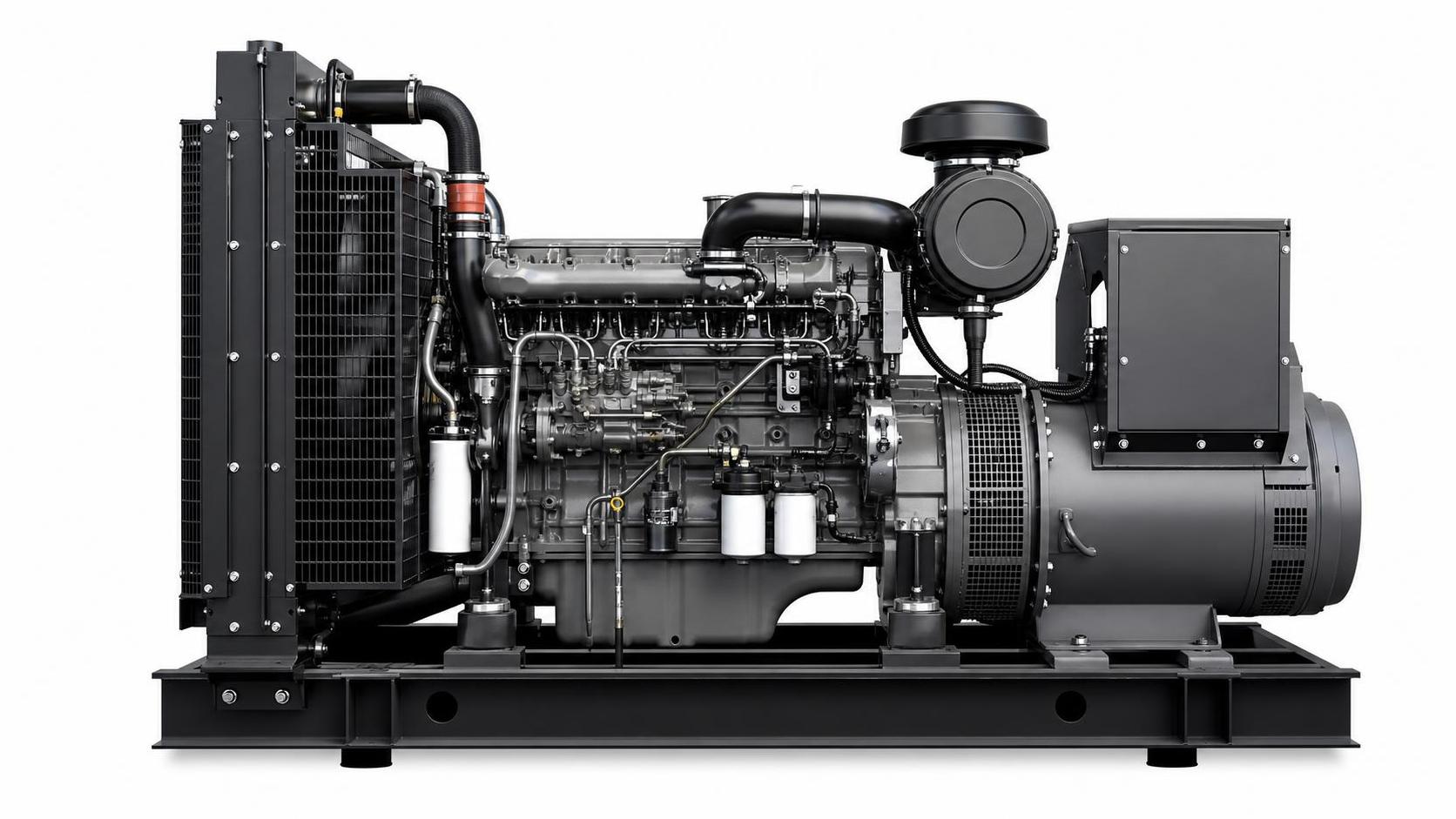
A Cummins generator is a significant investment, and its service life depends heavily on where and how it is used. The maintenance routine for a unit powering a mine is vastly different from one supporting a hospital or a data center. Understanding these differences is the first step toward preventing costly downtime and extending equipment longevity.
The core reason for this variation lies in the operating conditions and load profiles. A generator in a dusty mine faces constant particulate ingress, while one in a hospital must handle sudden, critical load shifts. A data center, on the other hand, demands near-instantaneous response and absolute reliability. These distinct pressures mean that a one-size-fits-all maintenance checklist will inevitably miss critical points.
This is where a deeper understanding of your specific application comes into play. Whether you are sourcing from a manufacturer like Guangdong Yundong Diesel Generator (EPOWER), which offers a wide range of Cummins-based units, the key is to align your maintenance strategy with your actual operational demands. Let’s break down the most common scenarios.
High Dust and Particulate Environments: Mines and Quarries
In mining operations, the primary threat to your Cummins generator is not mechanical wear from overuse, but from the abrasive particles in the air. These particles can bypass standard air filters, damaging the engine's internal components over time. The maintenance focus here shifts entirely to air intake and filtration systems.
The maintenance interval for air filters in a mine should be significantly shorter than the manufacturer's general recommendation. A visual inspection every 50 hours of operation is a practical starting point. You should also consider installing a dual-stage air filtration system or a pre-cleaner. This reduces the load on the main filter and extends the time between costly replacements. Ignoring this specific condition often leads to premature cylinder scoring and reduced compression, which are expensive repairs.
Another common oversight is the generator's cooling system. Dust and debris can clog the radiator fins, leading to overheating. A weekly cleaning routine with compressed air, used from the inside out, is a simple but highly effective practice. In this scenario, the decision is not just about when to change the oil, but about how to protect the engine from its environment.
Critical Power Applications: Hospitals and Data Centers
Hospitals and data centers share a common need: absolute reliability during a grid failure. However, the nuances of their load profiles create different maintenance priorities. A hospital’s generator might power life-support systems, lighting, and HVAC, which creates a highly variable load. A data center, conversely, typically presents a near-constant, high-density IT load.
For a hospital, the focus must be on the generator’s ability to manage voltage and frequency regulation during sudden load steps. This requires rigorous testing of the Automatic Voltage Regulator (AVR) and governor. A monthly load bank test is essential to ensure the engine can handle full-rated power without wet-stacking, a condition where unburned fuel accumulates in the exhaust system due to prolonged low-load operation.
For data centers, the priority is often on the starting system and fuel quality. The generator must start and accept a full load within seconds. This means monthly battery testing, checking the battery charger, and inspecting fuel for contamination or degradation. The fuel in a data center’s storage tank can sit for months, making fuel polishing systems a critical addition. The maintenance plan must verify the integrity of the entire fuel path, from the storage tank to the injectors.
Factory and Industrial Backup Power: A Mixed Load Profile
In a factory setting, the generator often powers a mix of machinery, lighting, and HVAC. The load profile can be unpredictable, with large motors starting and stopping. This puts a different kind of stress on the engine and alternator. The maintenance approach here needs to balance the lessons from both the mining and critical power scenarios.
The practical advice for a factory is to focus on the generator’s overall health through regular, scheduled maintenance logs. Track oil consumption, coolant levels, and battery voltage. A common mistake is to assume that because the generator runs only a few times a month, it requires less attention. In reality, the vibration from infrequent use can cause connections to loosen, and seals can dry out. A quarterly run under at least 50% load, combined with a visual inspection of belts and hoses, is a realistic minimum.
When selecting a unit for a factory, consider the benefits of a silent or enclosed model to reduce noise pollution. A manufacturer like Guangdong Yundong can provide these configurations. The key is to assess the specific starting current of your largest motor and ensure the generator’s alternator is sized to handle it without excessive voltage dip. This is a judgment point often missed during the initial purchase.
Common Misjudgments in Generator Maintenance
One of the most frequent errors is treating all hours of operation as equal. An hour of running at a 90% load is far more stressful on the engine than an hour of running at a 20% load. Maintenance schedules should be adjusted based on load factor, not just runtime.
Another common oversight is neglecting the generator’s environment. A unit placed in a damp, poorly ventilated room will suffer from corrosion and moisture ingress, regardless of how well the engine is maintained. Always ensure the generator room has adequate airflow for both combustion and cooling.
Finally, there is the misjudgment of using lower-quality replacement parts. While they may be cheaper upfront, they can lead to increased fuel consumption, reduced power output, and a shorter service life. This is particularly true for fuel filters and oil, where using the correct specification directly impacts the engine’s longevity.
Practical Steps to Build a Better Maintenance Plan
Start by mapping out your specific operational scenario. Is the generator primary or standby? What is the typical load profile? What are the environmental conditions? Answering these questions helps you prioritize your maintenance budget and effort.
Next, establish a baseline for key parameters. This includes measuring oil pressure, coolant temperature, and voltage output under load. Any deviation from this baseline is a clear warning sign. Documenting these readings in a log creates a valuable history for diagnosing issues.
Finally, work with a supplier who understands these nuances. A source manufacturer like Guangdong Yundong Diesel Generator (EPOWER) can provide a one-stop solution that includes not just the unit, but also guidance on enclosure selection, remote monitoring options, and tailored maintenance recommendations. The goal is to move from a reactive repair model to a proactive, condition-based maintenance strategy.
By focusing on the specific demands of your application, you can dramatically extend the service life of your Cummins generator and ensure it performs when you need it most. The right approach is not about doing more maintenance, but about doing the right maintenance for your specific scenario.
Specialized field of steel wire ropes
24/7 before-sales and after-sales services
Comprehensive technical support