



Selecting an Industrial Generator Set for Heavy-Duty Manufacturing Sites
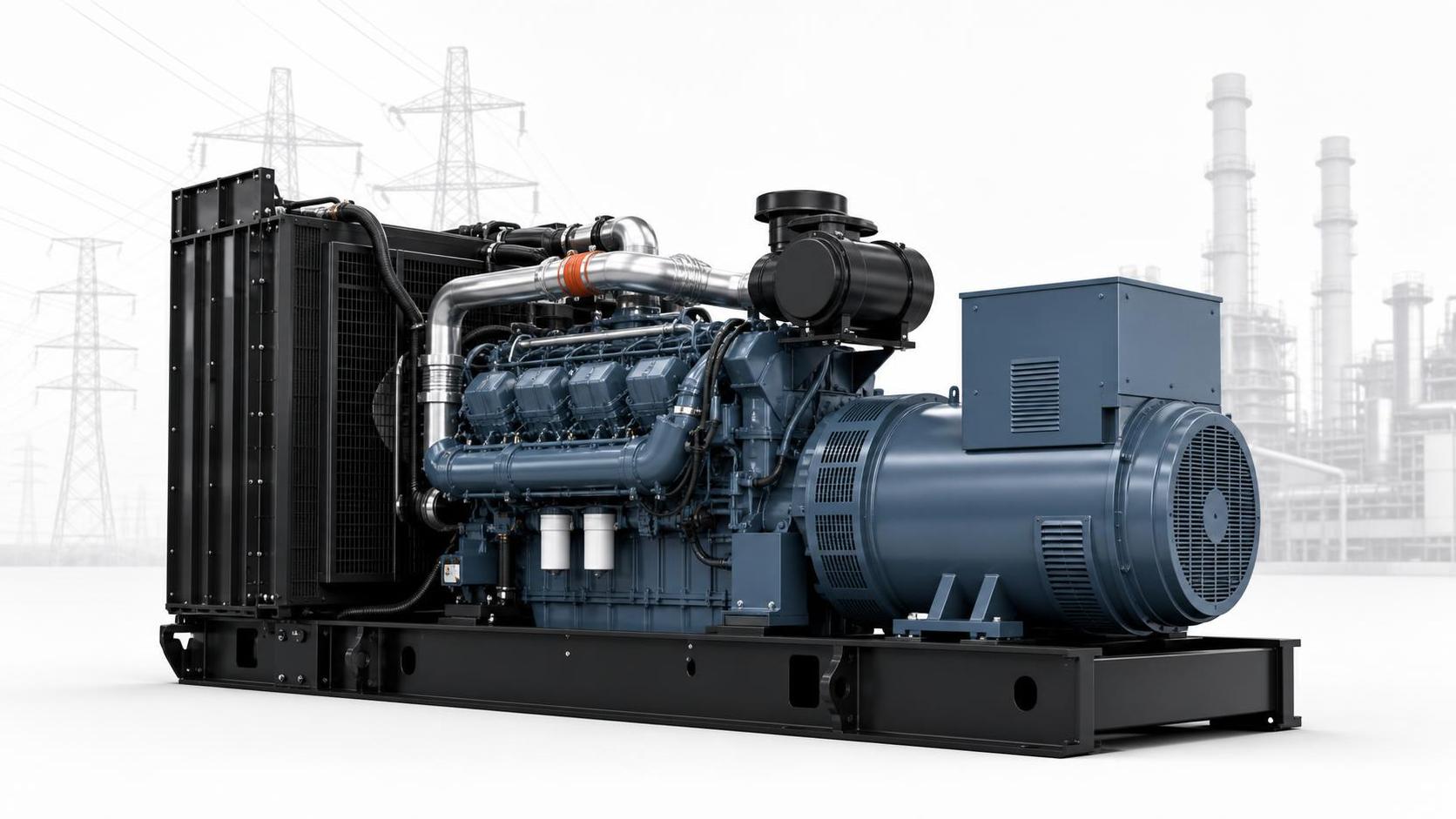
Why the Right Industrial Generator Set Matters for Heavy-Duty Manufacturing
Heavy-duty manufacturing sites face unique power demands. Unlike commercial buildings or light assembly lines, these facilities run high-torque motors, compressors, and continuous process equipment. A single power interruption can halt production for hours, damaging raw materials and disrupting supply chains.
Selecting an industrial generator set is not just about matching kilowatt ratings. It requires a deep understanding of load profiles, starting currents, and environmental conditions. As a project manager, you need a solution that delivers consistent power under punishing conditions.
From our experience working with factories across Asia, the most common mistake is undersizing the generator. This leads to voltage drops and frequent trips. The right approach is to plan for peak load plus a 20% safety margin.
Key Engine Brands for Industrial Applications
The engine is the heart of any industrial generator set. Choosing the right brand directly affects reliability, fuel efficiency, and long-term maintenance costs. For heavy-duty manufacturing, you need engines built for continuous operation.
Here are the most trusted brands in the market today:
- Cummins – Known for durability and global service networks. Ideal for 24/7 operations.
- Perkins – Offers excellent fuel economy and compact designs for space-constrained sites.
- Mercedes Benz – Provides high power density and low emissions for modern compliance needs.
- Mitsubishi – Reliable in harsh environments, especially where humidity and dust are high.
- Yuchai and Weichai – Cost-effective domestic options with strong local support in China.
- Scania – Excellent for high-speed applications and modular power solutions.
Each brand has its strengths. For a mining site or a heavy steel plant, Cummins or Scania often deliver the best balance of power and longevity. For a mid-sized factory, Yuchai or Perkins can provide solid performance at a lower capital cost.
Understanding Load Types and Starting Requirements
Not all loads are the same. In heavy-duty manufacturing, motors and compressors draw high inrush currents when starting. This can be 6 to 8 times the running current. If your industrial generator set cannot handle this surge, the system will trip.
We recommend performing a load bank test before finalizing your generator. This simulates real-world conditions and reveals any weaknesses. Also, consider the following:
- Linear loads – Resistive heaters and lighting. Easy to handle.
- Non-linear loads – Variable frequency drives and UPS systems. Require harmonics filtering.
- Motor loads – Pumps, conveyors, crushers. Need soft starters or VFDs to reduce startup impact.
Another key point is load sequencing. If you can stagger the startup of large motors, you can use a smaller generator. This reduces upfront costs without sacrificing reliability.
Enclosure Options: Open, Silent, and High-Voltage
Heavy-duty manufacturing sites often have harsh environmental conditions. Dust, high temperatures, and noise restrictions all influence the type of enclosure you need. The industrial generator set must be protected without compromising accessibility for maintenance.
Here are the main enclosure types available:
For a manufacturing site located near residential areas, a silent enclosure is essential. It keeps noise levels below 75 dB while maintaining full power output. High-voltage units are increasingly popular for large-scale factories because they reduce transmission losses.
Customization and One-Stop Solutions
Every manufacturing site has specific requirements. Off-the-shelf generators rarely fit perfectly. That is why customization is a growing trend in the industrial generator set market. From fuel tanks to control panels, you can tailor every component.
Some common customization options include:
- Dual fuel capability (diesel + natural gas) for fuel flexibility.
- Remote monitoring via IoT modules for real-time diagnostics.
- Automatic transfer switches for seamless grid failure response.
- Heavy-duty radiators for high ambient temperature environments.
Working with a source manufacturer like Guangdong Yundong Diesel Generator (EPOWER) gives you direct access to engineering support. They can modify the base design to match your site layout, electrical configuration, and budget. This approach reduces lead times and ensures compatibility.
Risk Factors and How to Mitigate Them
Even the best industrial generator set can fail if not properly deployed. The most common risks in heavy-duty manufacturing include fuel contamination, overheating, and lack of preventive maintenance. Understanding these risks helps you build a resilient power system.
We recommend the following mitigation strategies:
- Install fuel polishing systems to remove water and particulates.
- Use critical-grade silencers to reduce exhaust backpressure.
- Schedule quarterly load bank testing to keep the engine in good condition.
- Maintain a 10% fuel reserve for extended outages.
Another risk is voltage instability caused by sudden load changes. This can damage sensitive electronics. A properly sized generator with an AVR (automatic voltage regulator) handles this. For extra protection, consider adding a line reactor or isolation transformer.
Making the Final Decision: A Practical Checklist
When you are ready to select an industrial generator set, use this checklist to evaluate your options. It covers the critical aspects that impact long-term performance and total cost of ownership.
- Power rating – Confirm prime power vs. standby power. Heavy-duty sites need prime-rated units.
- Engine brand – Choose based on local support, parts availability, and fuel type.
- Enclosure – Match environmental conditions and noise regulations.
- Customization – Ensure the supplier can adapt to your specific needs.
- Warranty and service – Look for at least 2 years or 2000 hours of coverage.
- Compliance – Verify emission standards and local electrical codes.
Also, ask for a site visit from the supplier. A knowledgeable engineer can spot potential issues that a spec sheet cannot. This kind of collaboration often leads to better system design and fewer surprises during installation.
Final Thoughts on Selecting an Industrial Generator Set
Choosing the right power solution for your heavy-duty manufacturing site is a strategic investment. It protects your production schedule, reduces downtime, and supports long-term growth. By focusing on engine quality, load analysis, and enclosure suitability, you can build a system that performs reliably for years.
Remember that the lowest upfront cost is rarely the best value. A well-matched industrial generator set from a trusted source manufacturer pays for itself through fewer failures and lower maintenance. Take the time to evaluate your options, involve your team, and test the equipment before finalizing.
Whether you need a standard unit or a fully customized power station, working with an experienced supplier ensures you get a solution that fits your site perfectly. That is the path to uninterrupted production and peace of mind.
Specialized field of steel wire ropes
24/7 before-sales and after-sales services
Comprehensive technical support