



What Is the Maintenance Cost of an EPOWER Cummins Generator Set
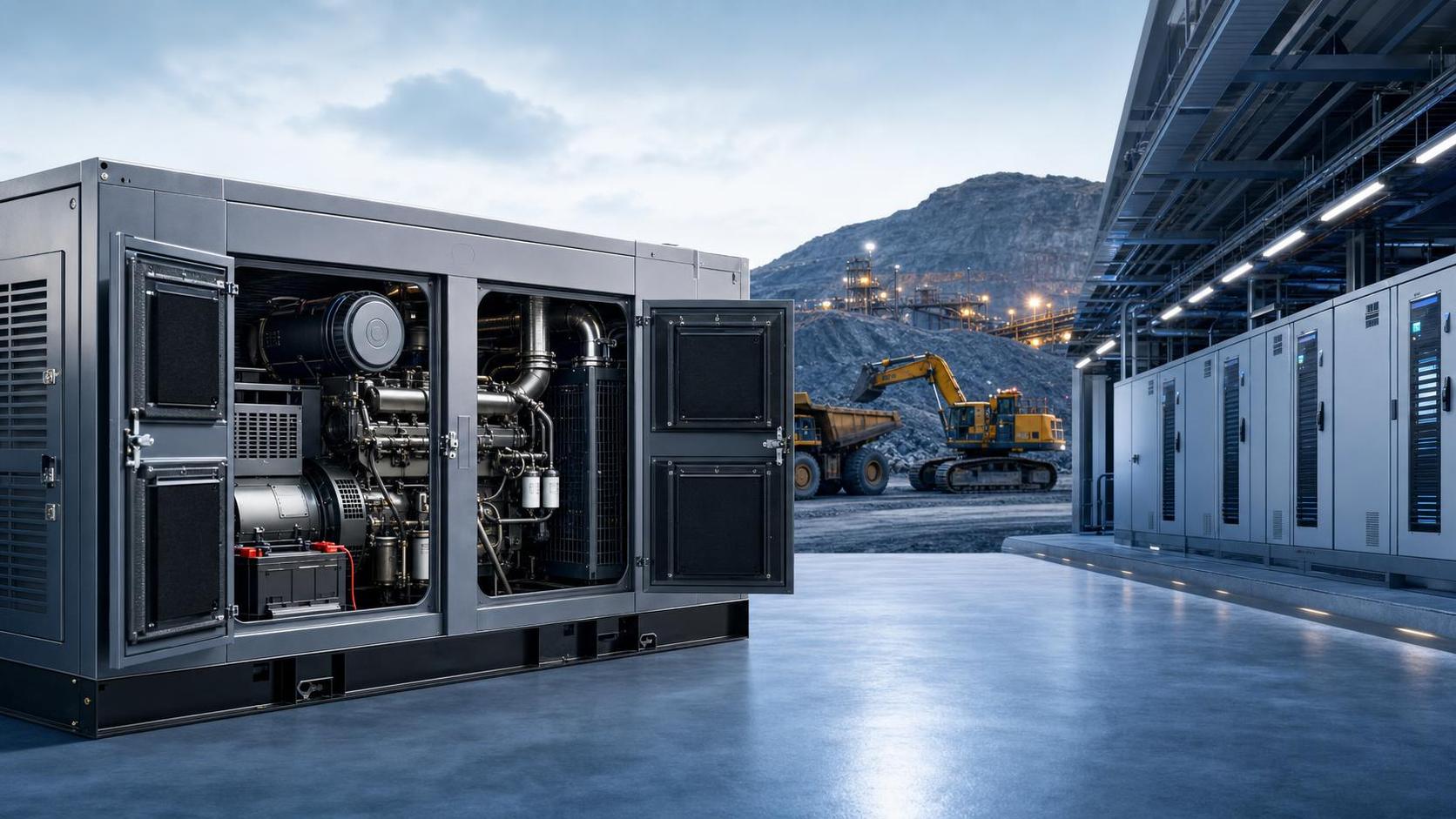
Wondering about the EPOWER Cummins generator set maintenance cost? For businesses relying on stable backup or prime power, maintenance is a key factor in long-term operating expenses. As a source manufacturer, Guangdong Yundong Diesel Generator (EPOWER) provides customized Cummins generator solutions and practical support, helping users in hospitals, factories, mines, and data centers better understand service needs, maintenance cycles, and cost-saving strategies.
For most buyers, the purchase price is only one part of generator ownership. A diesel generator may run for 200, 500, or 2,000 hours per year, and the maintenance profile changes significantly with load factor, environment, fuel quality, and standby readiness requirements.
When evaluating the EPOWER Cummins generator set maintenance cost, decision-makers usually want answers to four practical questions: what needs regular service, how often it should be done, what cost items are predictable, and how to reduce downtime without under-maintaining the unit.
What Shapes the Maintenance Cost of a Cummins Generator Set
The EPOWER Cummins generator set maintenance cost is not a single fixed number. In the generator industry, routine service cost is influenced by engine size, operating hours, site conditions, service interval discipline, and whether the unit is open type, silent type, or part of a more complex power system.
1. Operating Hours and Load Profile
A standby generator in a hospital may run only 30 to 100 hours per year, but it still requires scheduled inspections, battery checks, coolant review, and test runs. A prime power set in a mine or factory may operate 8 to 12 hours per day, pushing maintenance cycles much faster.
Load level matters as well. Running continuously below 30% load can increase wet stacking risk in diesel engines, while frequent operation near 80% to 100% load may accelerate wear on filters, lubricants, belts, and cooling components.
2. Environment and Installation Conditions
Dust, heat, humidity, and ventilation directly affect the EPOWER Cummins generator set maintenance cost. A data center generator room with stable ventilation and clean intake air will usually have lower filter replacement frequency than a quarry, coastal project, or high-dust construction environment.
Ambient temperature also changes service stress. In hot regions above 35°C, cooling system checks become more important. In humid or saline air conditions, corrosion inspection intervals may need to move from every 6 months to every 3 months.
3. Maintenance Scope: Basic, Standard, or Preventive
Some users only budget for oil and filter changes. In reality, a practical cost model includes consumables, technician labor, inspection records, emergency call-out risk, battery maintenance, coolant replacement, fuel system cleaning, and occasional wear-part replacement.
For this reason, a low annual service budget can lead to a higher 3-year ownership cost. Deferred maintenance often increases unplanned shutdown probability, especially for units that must start within 10 to 15 seconds during a power outage.
The table below outlines common factors that influence maintenance spending across different generator applications and usage patterns.
The key takeaway is that maintenance cost is operational, not just mechanical. Two Cummins generator sets with the same kW rating can have very different yearly service budgets depending on how they are installed and used.
Typical Maintenance Items and Service Intervals
To estimate the EPOWER Cummins generator set maintenance cost correctly, buyers should separate routine tasks from periodic tasks. Routine items are usually performed every 250 hours, 500 hours, or monthly. Periodic items may fall at 1,000-hour, 2,000-hour, or annual intervals.
Routine Service Tasks
- Engine oil level and oil condition check before operation or during weekly inspections
- Air filter inspection every 250 hours, earlier in dusty environments
- Fuel filter and oil filter replacement according to engine-hour schedule
- Battery voltage, charger status, and terminal cleanliness check at least once per month
- Cooling system level, hose condition, and radiator cleanliness inspection
Periodic Preventive Tasks
- Coolant replacement based on fluid type and service age, often every 1 to 2 years
- Valve adjustment and deeper engine inspection at longer operating intervals when required
- Alternator insulation check, control panel diagnostics, and safety shutdown verification
- Fuel tank cleaning and water separator inspection to prevent injector and pump issues
- Load bank testing for standby sets that rarely operate under real load
Why Scheduled Testing Matters
A generator that rarely runs can still fail at the critical moment. Many facilities schedule a 15 to 30-minute no-load or partial-load exercise weekly, plus a more formal test monthly or quarterly. This helps identify battery weakness, fuel issues, controller alarms, and starting faults early.
The following table shows a practical maintenance framework often used for diesel generator planning. Actual intervals should follow the engine manual, site requirements, and service conditions.
This type of structure helps procurement teams forecast annual maintenance budgets more accurately instead of reacting only when faults appear. It also supports better spare parts planning, especially for export projects or remote job sites.
How to Estimate Annual Maintenance Budget by Application
A realistic EPOWER Cummins generator set maintenance cost estimate should be based on application category first, then adjusted by engine capacity and local service conditions. A 100kW standby unit and a 1,000kW prime power unit cannot be budgeted using the same logic.
Standby Power Users
Hospitals, commercial buildings, and data centers often use diesel generators as emergency backup. Annual run time may stay below 100 hours, but readiness standards are strict. Here, maintenance spending is driven more by inspections, testing, battery condition, coolant health, and controller reliability than by heavy engine wear.
Prime Power Users
Factories in unstable grid areas, mining sites, and temporary industrial projects may run generators for 1,000 to 3,000 hours per year. In these cases, the annual maintenance plan must include more frequent lubricant changes, filter consumption, fuel system attention, and technician service visits.
Silent and Containerized Units
Silent generators add enclosure-related inspection points such as airflow, acoustic insulation condition, door seals, rainproof structure, and internal temperature management. These items do not always create major cost, but they do affect service time and operating stability.
Three Budget Layers to Consider
- Routine consumables: oil, filters, coolant, belts, and minor service parts
- Labor and inspection: scheduled technician hours, diagnostics, and record keeping
- Risk reserve: battery replacement, hose aging, sensor failure, and emergency response
Many buyers underestimate the third layer. In practice, a modest reserve for wear parts and emergency troubleshooting can prevent procurement delays and extended downtime during a grid failure or production peak.
How EPOWER Helps Reduce Life-Cycle Maintenance Cost
The best way to control the EPOWER Cummins generator set maintenance cost is to start before delivery. Because Guangdong Yundong Diesel Generator is a source manufacturer focused on 20-3000KW diesel generator sets, buyers can align configuration, export requirements, and service planning from the beginning.
Proper Sizing and Configuration
Oversized generator sets often run too lightly, while undersized sets run too hard. Matching the generator to the actual load profile, starting current, and future expansion plan can reduce maintenance pressure over the first 1 to 3 years of operation.
Export and Site Customization
For overseas projects, service convenience matters. Customized layouts, clear parts accessibility, localized voltage or control requirements, and suitable enclosure design can save technician time during routine inspections and shorten fault handling steps from 6 or 7 actions to 3 or 4.
One-Stop Power Supply Support
When a project includes ATS, parallel control, high-voltage systems, gas equipment, or energy storage support, maintenance cost should be evaluated at system level. Coordinated design lowers compatibility issues and avoids repeated service visits caused by interface problems between multiple suppliers.
For hospitals, mines, factories, and data centers, this integrated approach is often more economical over 12 to 36 months than buying isolated components and solving maintenance gaps later.
Common Mistakes That Increase Generator Maintenance Expenses
Even a well-built Cummins generator set can become expensive to maintain if operating discipline is weak. Most avoidable costs come from delayed service, poor records, and incorrect assumptions about standby equipment.
Mistake 1: Treating Standby Units as Maintenance-Free
A generator that does not run daily still ages. Batteries discharge, fuel quality changes, seals dry, and coolant additives degrade. Monthly checks and documented tests are essential even if the unit has logged fewer than 50 annual hours.
Mistake 2: Ignoring Fuel Quality and Storage Time
Fuel contamination can trigger injector fouling, unstable combustion, and difficult starts. If diesel is stored for long periods, especially beyond 6 to 12 months, users should review tank cleanliness, water separation, and fuel turnover plans.
Mistake 3: Skipping Load Testing
Testing only at idle does not prove emergency performance. Periodic load testing helps confirm temperature control, voltage stability, frequency response, and actual carrying capacity. This is especially important for critical facilities with strict uptime expectations.
Four Record Items Every Owner Should Track
- Total engine hours and last service hour reading
- Date of oil, filter, battery, and coolant replacement
- Alarm history, failed starts, and abnormal noise or smoke events
- Monthly test result, load condition, and technician comments
These records make maintenance cost more predictable and improve communication between the equipment owner, local service team, and manufacturer support.
Practical Buying and Service Advice for B2B Users
If you are comparing diesel generator suppliers, ask not only about engine brand and kW rating but also about maintenance access, documentation clarity, spare parts planning, and service support logic. These factors directly affect the long-term EPOWER Cummins generator set maintenance cost.
Questions to Ask Before Ordering
- What are the recommended service intervals for this power range and application?
- Which consumables are expected within the first 12 months?
- Is the layout convenient for filter, battery, and radiator access?
- What commissioning and operating guidance is included for the end user?
- Can the solution be customized for mine, hospital, factory, or data center conditions?
Why Source Manufacturing Matters
Working with a source manufacturer can simplify communication on configuration, export packaging, spare parts planning, and future service coordination. For projects with specialized needs such as silent sets, high-voltage units, or integrated power systems, this reduces mismatches that later raise maintenance complexity.
In many B2B projects, the most cost-effective generator is not the one with the lowest purchase quote. It is the one that balances engine reliability, service accessibility, operating suitability, and stable support across the full service cycle.
Understanding the EPOWER Cummins generator set maintenance cost means looking beyond a simple service invoice. The real cost is shaped by usage hours, environment, maintenance discipline, system design, and the quality of technical support behind the equipment.
For buyers in hospitals, factories, mines, data centers, and other critical applications, EPOWER offers customized diesel generator solutions across 20-3000KW, along with practical planning for maintenance access, service cycles, and power system integration. If you want a more accurate estimate for your project, contact us now to get a customized solution, discuss product details, and explore the right generator maintenance strategy for your site.
Specialized field of steel wire ropes
24/7 before-sales and after-sales services
Comprehensive technical support