



Yuchai Weichai Generator Cost Analysis for Long-Term Projects
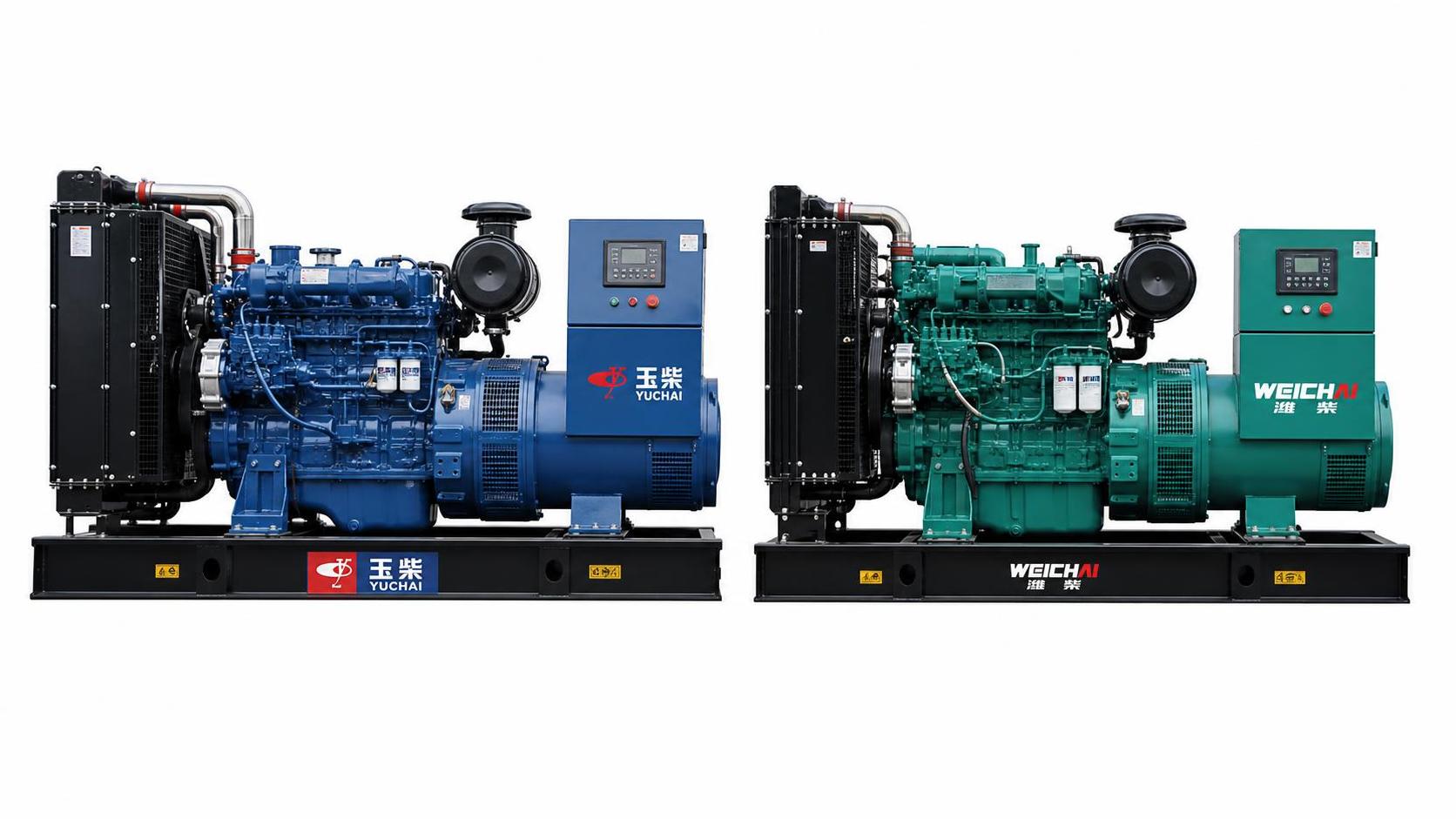
Why Should Long-Term Project Procurement Look Beyond the Initial Price of Yuchai and Weichai Generators?
For any procurement professional managing a multi-year project, the upfront cost of a generator is just one piece of the puzzle. The real financial impact of a Yuchai Weichai generator decision unfolds over years of operation. Factors like fuel consumption, scheduled maintenance, and the availability of replacement parts directly affect your total cost of ownership (TCO). A cheaper initial quote can quickly become a budget liability if the unit requires more frequent repairs or consumes significantly more fuel under load. This is why a detailed cost analysis, specifically for long-term projects, is essential before committing to a brand.
In high-stakes environments like mines, data centers, or hospitals, downtime is not just an inconvenience—it is a direct financial loss. Therefore, the reliability of your chosen Yuchai Weichai generator directly impacts project profitability. This comparison will help you evaluate which brand offers better long-term value for your specific operational needs, rather than just a lower sticker price.
How Do Fuel Efficiency and Operating Costs Compare Between Yuchai and Weichai?
Fuel is typically the largest variable cost over a generator’s lifetime. For a Yuchai Weichai generator operating 8-10 hours daily, even a 5% difference in fuel consumption can translate to thousands of dollars per year. Weichai engines, particularly those based on their own advanced diesel technology, are often praised for their high thermal efficiency and lower specific fuel consumption under continuous load. This makes them a strong candidate for base-load power applications where the engine runs at a steady 70-80% capacity.
Yuchai generators, on the other hand, are generally recognized for their robust performance in variable load conditions. They tend to be slightly more forgiving in applications where the power demand fluctuates frequently. However, their fuel consumption curve can be less efficient at very low loads compared to some Weichai models. When evaluating a Yuchai Weichai generator for your project, it is crucial to request a fuel consumption chart at 25%, 50%, 75%, and 100% load. This data is more valuable than a simple brochure spec and allows for a precise calculation of your annual fuel budget.
Maintenance Schedules and Spare Parts Availability: A Key Cost Driver
The frequency of service intervals and the ease of sourcing parts are critical factors in long-term project cost analysis. Weichai, as one of the largest engine manufacturers in China, has a vast and well-established global service network. This means that for many international projects, finding a certified technician or an original spare part for a Weichai generator is relatively straightforward. The lower cost of parts and the higher density of service points can significantly reduce both planned maintenance expenses and the cost of unplanned downtime.
Yuchai also boasts a strong domestic network, but its international presence is slightly less extensive. For projects in remote locations, you may need to stock a more comprehensive inventory of critical spare parts. However, Yuchai units are often built with a focus on mechanical simplicity, which can lead to easier field repairs with general-purpose tools. When comparing a Yuchai Weichai generator, we recommend asking your supplier, like Guangdong Yundong Diesel Generator (EPOWER), for a detailed list of recommended spare parts, their current lead times, and the nearest service center to your project site.
What Are the Typical Maintenance Intervals?
Most modern diesel generators require an oil and filter change every 250-500 hours of operation. Here is a general comparison for standard models:
While these are general guidelines, the actual schedule depends on the load profile and fuel quality. Always confirm the specific intervals for your chosen model.
Which Brand Offers Better Value for Specific Application Scenarios?
The "better" Yuchai Weichai generator often depends on the specific application. For a data center that requires 24/7 standby power with near-instantaneous start-up, Weichai’s reputation for high-speed response and electronic control is a significant advantage. The precision of fuel injection in newer Weichai models also helps meet strict emissions standards, which is a growing concern for projects in regulated environments.
For a mining operation or a construction site, where the environment is harsh and the load is often pulsating, the rugged mechanical design of a Yuchai generator is often preferred. Yuchai engines are known for their ability to handle heavy load swings and high ambient temperatures without overheating. This durability can translate to lower repair costs in the long run. A reputable source manufacturer like Guangdong Yundong Diesel Generator (EPOWER) can provide a Yuchai Weichai generator configured specifically for the ambient conditions and altitude of your project site, which is a critical factor for maintaining engine efficiency and longevity.
What Are the Hidden Costs or Risks to Watch Out For?
One common risk is the purchase of a "white-label" or substandard unit. When procuring a Yuchai Weichai generator, always verify the source. A genuine Weichai or Yuchai engine will have a serial number that can be verified with the manufacturer. Working directly with a source factory like EPOWER ensures you are getting a genuine product with a proper warranty. Hidden costs can also arise from the cooling system, the alternator, and the controller. A cheap alternator can fail, leading to a total rewrite of your electrical system. This is why a full system cost analysis, not just the engine cost, is vital.
Another risk is under-specification. A Yuchai Weichai generator that is too small for the load will run inefficiently and require more frequent maintenance. Conversely, an oversized unit running at very low load will suffer from "wet stacking," a condition that damages the engine. It is crucial to have a professional load bank test performed before finalizing the purchase. This ensures the chosen generator is matched to your actual power requirements, optimizing both the initial investment and the long-term operational cost.
How to Choose Between a Yuchai and a Weichai Generator for Your Project
Making the final decision requires a structured comparison. Here is a practical checklist to guide your evaluation:
- Project Duration: For projects over 5 years, focus on the TCO, including fuel and major overhaul costs.
- Load Profile: Steady, base-load power favors Weichai’s efficiency. Fluctuating loads favor Yuchai’s ruggedness.
- Service Logistics: In remote areas, prioritize the brand with the closest service center and easier parts availability.
- Customization Options: Look for a supplier that offers silencers, remote monitoring, and automatic transfer switches (ATS).
- Total Cost of Ownership: Request a detailed TCO calculation from your supplier, not just the purchase price.
A supplier like Guangdong Yundong Diesel Generator (EPOWER) can provide a comprehensive one-stop solution, including open units, silent enclosures, and high-voltage configurations. They can also offer a Yuchai Weichai generator with a matched alternator and controller, ensuring all components are optimized for your specific application. This level of integration simplifies procurement and reduces the risk of compatibility issues.
Summary: Making a Cost-Effective Decision
Choosing between a Yuchai and Weichai generator for a long-term project is a strategic decision that goes beyond the initial quote. Weichai typically offers better fuel efficiency and a more extensive global service network, making it a strong candidate for continuous, base-load applications. Yuchai, with its robust and forgiving design, is often the more cost-effective choice for harsh environments and variable loads.
The key to a successful purchase is a thorough analysis of your specific project needs. We recommend you start by defining your load profile, site conditions, and expected operational hours. Then, request a detailed cost comparison from a trusted source manufacturer. This approach will ensure your investment is not only affordable upfront but also delivers reliable power and low operating costs for the entire duration of your project.
Specialized field of steel wire ropes
24/7 before-sales and after-sales services
Comprehensive technical support