



Avoid These Mistakes When Buying a Household Emergency Generator
Why Proper Selection of a Household Emergency Generator Matters
Power outages are no longer rare occurrences. For families relying on medical equipment, home offices, or simply maintaining daily comfort, a household emergency generator is a critical investment. However, the market is filled with options that look similar on the surface but differ drastically in performance and longevity.
The consequences of choosing the wrong unit extend beyond inconvenience. Poor quality, mismatched power ratings, and unreliable components often lead to frequent breakdowns, failed startups during critical moments, and costly returns. For businesses supplying these units, avoiding these mistakes is not just about customer satisfaction—it is about protecting your reputation and bottom line.
Understanding the common pitfalls in this category helps you make informed decisions. Whether you are evaluating a new supplier or reviewing your current product line, knowing what to look for in a household emergency generator ensures you deliver dependable solutions.
Mistake 1: Misjudging Power Requirements
One of the most frequent errors when sourcing a household emergency generator is underestimating or overestimating the power load. A unit that is too small will trip under load, while an oversized generator runs inefficiently and wastes fuel.
The key is to calculate both running watts and starting watts. Household appliances like refrigerators, air conditioners, and pumps require a surge of power to start. If the generator cannot handle this surge, it will fail to power essential equipment.
A reliable supplier provides clear guidance on power matching. EPOWER, for example, offers units from 20KW to 3000KW, with detailed specifications that allow you to match the correct capacity for any residential scenario. Always request load testing data and verify the continuous rating before committing to a purchase.
Mistake 2: Overlooking Engine and Component Quality
The engine is the heart of any household emergency generator. Many budget options on the market use generic engines with poor reliability. When the power goes out, the last thing a family needs is a generator that refuses to start.
Reputable brands like Cummins, Perkins, Mercedes Benz, Mitsubishi, Yuchai, Weichai, and Scania are widely recognized for their durability. Units equipped with these engines offer consistent performance, longer service intervals, and better fuel efficiency. As a source manufacturer, EPOWER integrates these engines into its generator sets, ensuring that every unit meets industrial-grade standards.
When evaluating a household emergency generator, always check the engine brand and its service network. A cheap engine might save upfront costs but leads to expensive repairs and dissatisfied end users.
Mistake 3: Ignoring Noise and Environmental Factors
Residential areas have strict noise regulations. A loud generator not only disturbs the neighborhood but can also violate local ordinances. This is a common oversight when sourcing units intended for home use.
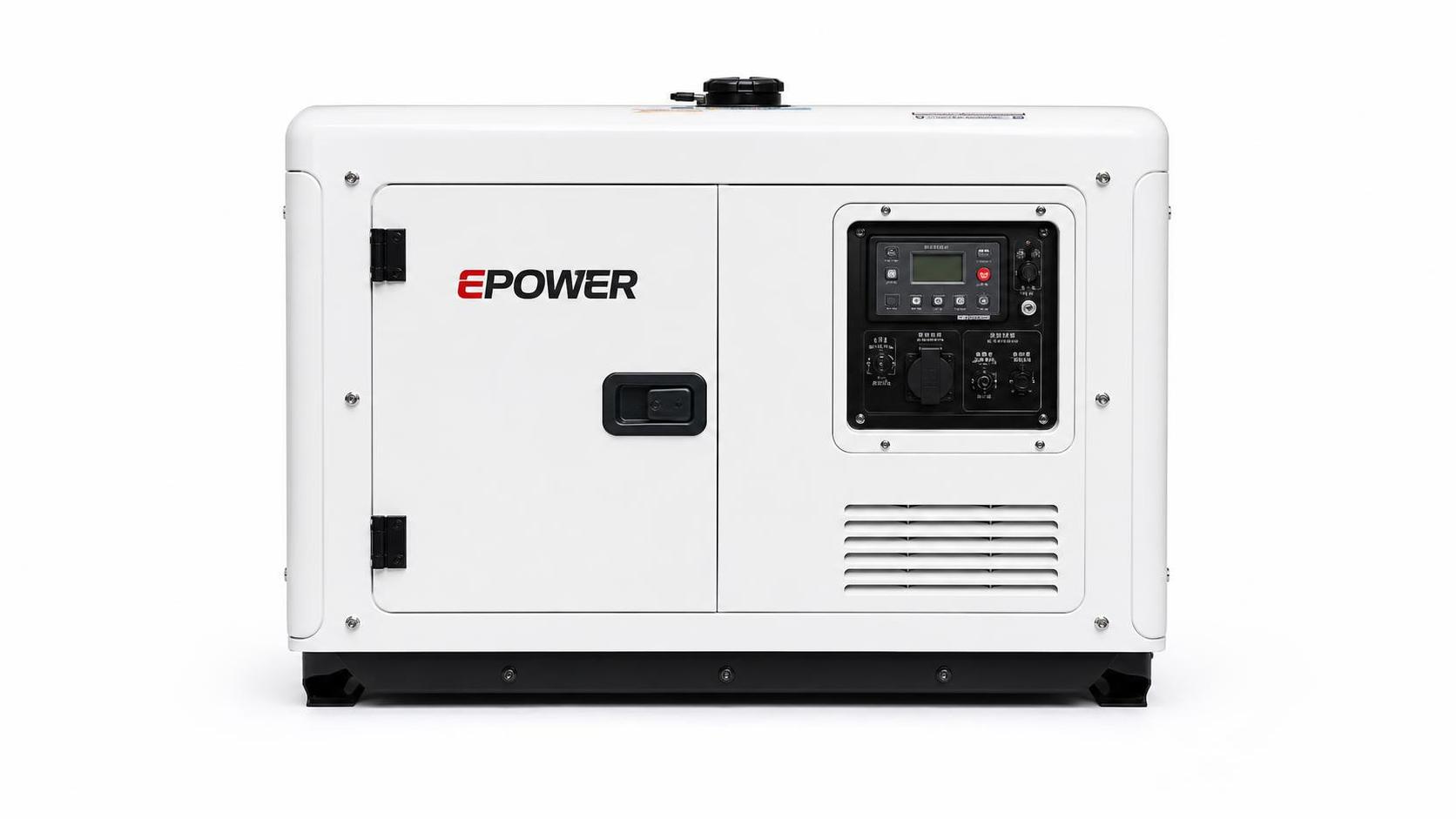
Silent or soundproof enclosures are essential for household emergency generators. These enclosures reduce noise levels significantly while protecting the unit from weather and debris. EPOWER provides silent-type generator sets specifically designed for residential and sensitive environments like hospitals and data centers.
Additionally, consider the exhaust and ventilation requirements. Proper installation ensures safety and compliance. Providing your clients with a generator that runs quietly and cleanly adds significant value and reduces complaints.
Mistake 4: Neglecting Fuel Type and Availability
Diesel remains the most reliable fuel for emergency backup power. Diesel generators are more fuel-efficient, have longer lifespans, and require less maintenance compared to gasoline models. For a household emergency generator, diesel is often the preferred choice for extended outages.
However, fuel availability varies by region. Some areas may benefit from gas or dual-fuel options. EPOWER offers open, silent, high-voltage, gas, and energy storage power equipment, providing flexibility to match local fuel infrastructure. When advising your clients, consider their access to diesel and storage options to ensure uninterrupted operation.
A common mistake is assuming one fuel type fits all scenarios. Offering a range of fuel options allows you to cater to different customer needs and regulatory environments.
Mistake 5: Choosing the Wrong Form Factor
Household emergency generators come in various configurations. Open units are cost-effective but require dedicated space and noise management. Silent units are more compact and suitable for residential use. High-voltage and energy storage systems are becoming increasingly popular for homes with sensitive electronics.
Selecting the wrong form factor can lead to installation difficulties and poor user experience. For example, a large open generator placed near a living area will cause noise complaints. A silent, enclosed unit is better suited for such environments.
EPOWER supports customized exports, meaning you can specify the housing, voltage, and features to match your market. This flexibility allows you to avoid one-size-fits-all solutions and deliver a generator that fits perfectly into the customer’s property.
How to Build a Reliable Supply Chain for Household Generators
Sourcing a household emergency generator is not just about picking a product from a catalog. It requires a partner who understands the technical specifications, quality standards, and after-sales support needed for residential backup power.
Working directly with a source manufacturer like Guangdong Yundong Diesel Generator (EPOWER) provides several advantages. You gain access to a wide range of branded engines, custom configurations, and one-stop power supply solutions. This eliminates the risk of mismatched components and ensures consistent quality across your orders.
Consider the following when evaluating a supplier:
- Does the manufacturer offer a clear power rating and testing report?
- Are the engines from well-known brands with a local service network?
- Can they provide silent and weather-resistant enclosures?
- Do they support customization for voltage, fuel type, and control panels?
- Is there a proven track record for exports and compliance with international standards?
Answering these questions helps you avoid the pitfalls that lead to costly returns and damaged relationships.
Practical Steps to Mitigate Common Risks
To ensure your clients receive a reliable household emergency generator, focus on these actionable steps during the sourcing process:
- Verify the continuous and standby power ratings. Never rely solely on peak ratings.
- Request a sample or visit the factory to inspect build quality and assembly.
- Confirm the availability of spare parts and service support in your region.
- Check the noise level specifications, especially for residential installations.
- Ensure the unit includes safety features like automatic shutdown, low oil pressure protection, and overload protection.
These checks are not just for quality assurance. They directly impact the end-user experience and reduce the likelihood of returns or warranty claims.
The Value of a Trusted Manufacturing Partner
In a market where margins are tight and competition is high, the reliability of your household emergency generator supply chain becomes a competitive advantage. Partnering with a manufacturer that has extensive experience, a broad product range, and a commitment to quality helps you avoid the common mistakes discussed above.
EPOWER, based in Foshan, specializes in 20-3000KW diesel generator sets and serves industries ranging from residential backup to critical facilities like mines, hospitals, data centers, and factories. Their ability to provide open, silent, high-voltage, gas, and energy storage solutions means you can source multiple products from a single, reliable supplier.
This one-stop approach simplifies logistics, ensures consistent quality, and allows for customized exports tailored to your specific market requirements. By avoiding the mistakes outlined in this article, you position your business as a reliable source of dependable backup power.
Next Steps for Informed Decision-Making
Selecting the right household emergency generator is a process that requires careful evaluation of power needs, engine quality, noise levels, fuel type, and supplier reliability. The mistakes highlighted here are common but entirely avoidable with the right information and a trusted partner.
Start by defining the specific requirements of your target market. Consider the average household load, typical outage duration, and local regulations. Then, cross-reference these requirements with the capabilities of your potential suppliers.
For those looking to build a long-term, reliable supply chain, engaging directly with a source manufacturer like EPOWER provides the technical backing and product flexibility needed to succeed. Whether you are expanding your product line or entering a new market, avoiding these mistakes ensures that the generators you supply deliver true value when it matters most.
Specialized field of steel wire ropes
24/7 before-sales and after-sales services
Comprehensive technical support