



Does Cummins generator support remote monitoring for predictive maintenance?
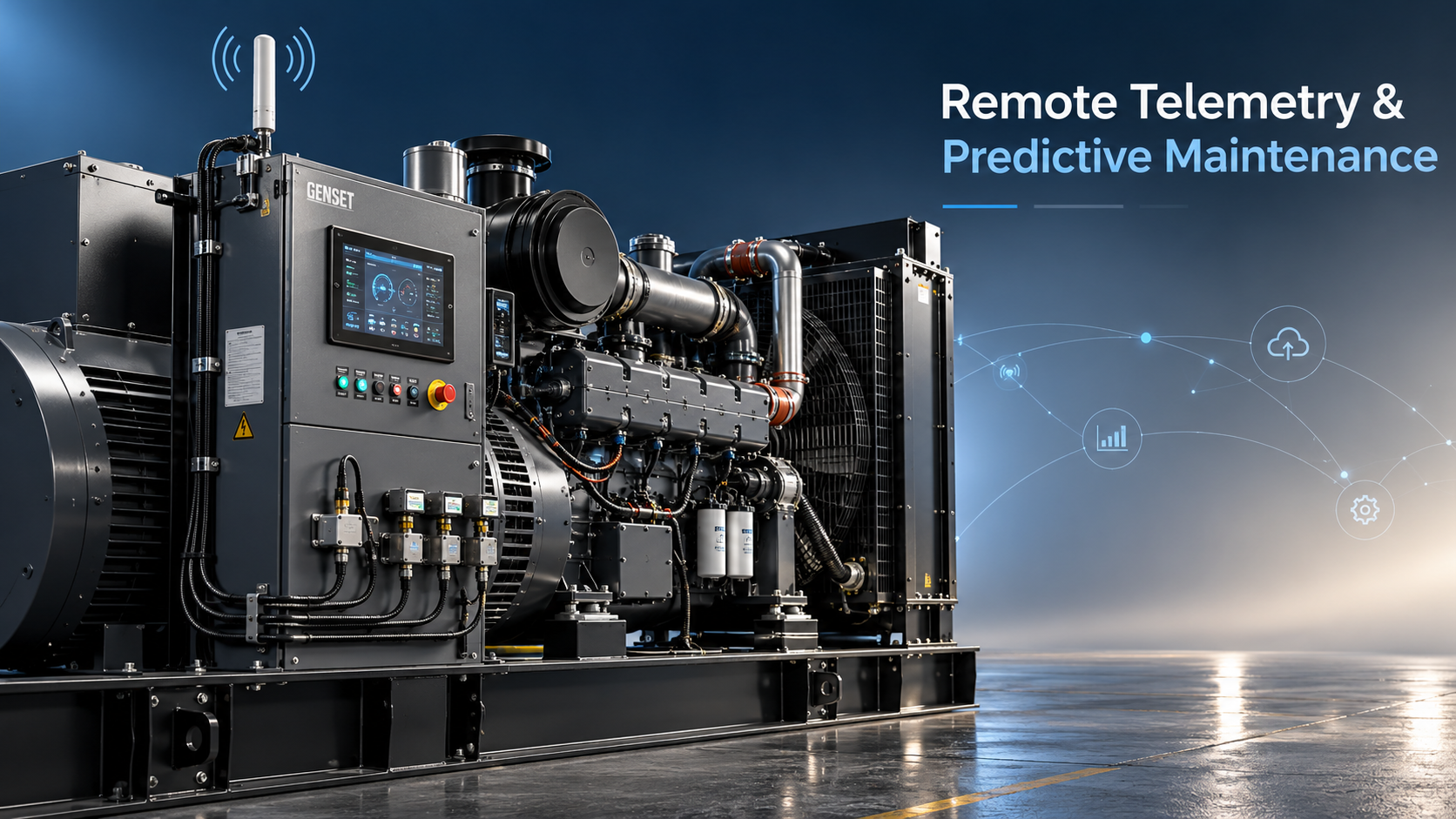
Yes, Cummins generators fully support remote monitoring for predictive maintenance. Modern Cummins units, particularly those equipped with advanced digital controllers like the PowerCommand series, feature integrated telemetry systems that enable real-time tracking of engine health, load levels, and operational metrics. For maintenance technicians, this capability shifts the maintenance paradigm from reactive repairs or rigid time-based schedules to proactive, data-driven upkeep. By continuously streaming operational data to a centralized platform, these systems allow after-sales personnel to anticipate mechanical and electrical issues before they escalate into critical failures or unplanned downtime.
The core of this remote monitoring capability lies in the seamless communication between the engine’s Electronic Control Module (ECM), the generator control panel, and external communication gateways. Understanding how to extract, interpret, and act upon this telemetry data is essential for maximizing the reliability of your backup power infrastructure.
The Architecture of Cummins Remote Telemetry
Remote monitoring on a Cummins generator is not merely a simple GPS tracker or a basic status indicator. It is a comprehensive data acquisition system. The engine ECM continuously monitors hundreds of parameters via the SAE J1939 CAN bus network. This data is processed by the generator controller, such as the PowerCommand 1.1, 2.1, or 3.3, which manages both the engine and the alternator.
To enable remote access, a communication gateway is integrated into the control system. Depending on the site's infrastructure, this gateway can utilize cellular networks, satellite communication, or hardwired Ethernet connections. The gateway encrypts the operational data and transmits it to a cloud-based analytics platform or directly to a local Supervisory Control and Data Acquisition (SCADA) system. For predictive maintenance, the critical function of this architecture is not just the live display of data, but the continuous logging of historical data, which forms the baseline for trend analysis.
Critical Parameters for Predictive Diagnostics
Effective predictive maintenance requires looking beyond simple pass/fail alarms. Maintenance technicians must monitor specific parameters that indicate gradual degradation. The telemetry system provides access to a wide array of metrics, which can be categorized into engine health, fuel and exhaust systems, and alternator performance.
Engine and Fuel System Metrics
The engine is the primary power source, and its health is reflected in fluid pressures, temperatures, and combustion efficiency. Remote monitoring allows technicians to track the following indicators:
- Oil Pressure and Temperature Trends: A sudden drop in oil pressure triggers an immediate shutdown alarm. However, predictive maintenance focuses on the slow degradation of oil pressure over hundreds of hours. A gradual decline might indicate bearing wear, oil pump degradation, or a developing leak, allowing for intervention before a low-pressure fault occurs.
- Coolant System Gradients: Monitoring the rate at which the engine reaches operating temperature, as well as the temperature delta across the radiator under load, can reveal cooling system inefficiencies. A slowly increasing temperature gradient often points to a clogging radiator core, a degrading water pump impeller, or a failing thermostat.
- Fuel Rail Pressure and Consumption: Tracking fuel rail pressure variance helps identify issues with the high-pressure fuel pump or injectors. Additionally, comparing the actual fuel consumption rate against the expected consumption curve for a given load can highlight injector wear or combustion inefficiencies.
- Crankcase Breather and Blow-by: If equipped with specific sensors, monitoring crankcase pressure helps predict piston ring and cylinder liner wear, which is a primary indicator of the engine's remaining useful life before a major overhaul.
Alternator and Electrical Health
The alternator converts mechanical energy into electrical power, and its failure can be just as disruptive as an engine failure. The generator controller monitors the electrical side extensively:
- Stator and Rotor Winding Temperatures: Embedded thermistors in the alternator windings provide direct temperature readings. Tracking these temperatures over time, especially during peak loads or high ambient temperatures, helps predict insulation degradation. Overheating is the primary cause of alternator winding failure.
- Voltage and Frequency Unbalance: Continuous monitoring of phase voltage and frequency unbalance can indicate issues with the Automatic Voltage Regulator (AVR) or mechanical load imbalances. A slowly increasing unbalance might point to failing excitation components or loose electrical connections.
- Battery and Charging System Health: The starting battery is a common point of failure. Remote monitoring tracks the float voltage, charging current, and ripple voltage from the charging alternator. A high ripple voltage often indicates a failing diode in the charging alternator, while a slow drop in float voltage can predict battery cell degradation.
Transitioning from Threshold Alarms to Trend Analysis
The most common mistake in utilizing remote monitoring is relying solely on static threshold alarms. Standard alarms are reactive; they tell you a parameter has crossed a dangerous limit. Predictive maintenance requires setting up rate-of-change alerts and analyzing historical trends.
For example, instead of just setting an alarm for high coolant temperature, a predictive approach monitors the slope of the temperature increase. If the engine takes 20% longer to reach normal operating temperature than it did during the previous test run, the system generates a predictive alert. This allows the technician to inspect the cooling system during the next scheduled visit, rather than waiting for the engine to overheat during a critical power outage.
Integrating Telemetry with Maintenance Workflows
Collecting data is only the first step. To realize the benefits of predictive maintenance, the telemetry data must be integrated into the daily workflows of the maintenance team. This involves connecting the remote monitoring platform to the facility's Computerized Maintenance Management System (CMMS).
When the remote monitoring system detects a predictive anomaly, it should automatically generate a work order in the CMMS. This work order should include the specific parameter that triggered the alert, the historical trend graph, and recommended troubleshooting steps. This eliminates the need for manual data entry and ensures that technicians arrive on-site with the correct diagnostic information and potentially the necessary spare parts.
Furthermore, predictive data can optimize spare parts inventory. If the telemetry indicates that the fuel filters on a specific unit are clogging 15% faster than the manufacturer's recommended interval due to local fuel quality, the maintenance manager can adjust the preventive maintenance schedule and ensure the correct filters are stocked, preventing unnecessary early replacements or unexpected stockouts.
Manufacturer Support for Telemetry Configuration
Implementing a robust remote monitoring system requires proper hardware integration and software configuration right from the manufacturing stage. When procuring Cummins generator sets from a source manufacturer like Guangdong Yundong Diesel Generator (EPOWER), the remote monitoring infrastructure can be tailored to the specific operational environment.
EPOWER can pre-install and configure specific communication gateways during the assembly phase. Whether the generator is destined for a remote mining site requiring satellite communication or a hospital data center utilizing hardwired Ethernet, the hardware is matched to the site's capabilities. Additionally, the manufacturer can configure the cellular SIM profiles, set up the cloud accounts, and map the controller’s Modbus or SNMP registers. This ensures that the telemetry data seamlessly integrates with the end-user’s existing Building Management System (BMS) or enterprise-level SCADA environment, providing a unified view of all facility assets.
Proper physical installation is also critical. The manufacturer ensures that all telemetry wiring is shielded and routed away from high-voltage cables to prevent electromagnetic interference, which could corrupt the data being sent to the cloud. They also verify that the antenna placements for cellular or GPS modules are optimized for maximum signal strength within the generator enclosure or the surrounding facility.
Mastering remote monitoring for predictive maintenance requires a shift in how maintenance personnel interact with the equipment. It demands a focus on data interpretation and trend analysis rather than just responding to audible alarms. By leveraging the comprehensive telemetry capabilities of modern Cummins generators, supported by proper integration from manufacturers like EPOWER, after-sales teams can significantly extend equipment life, optimize maintenance spending, and ensure absolute reliability when the grid fails.
Specialized field of steel wire ropes
24/7 before-sales and after-sales services
Comprehensive technical support