



How Reliable Is the EPOWER Household Backup Generator for Home Use
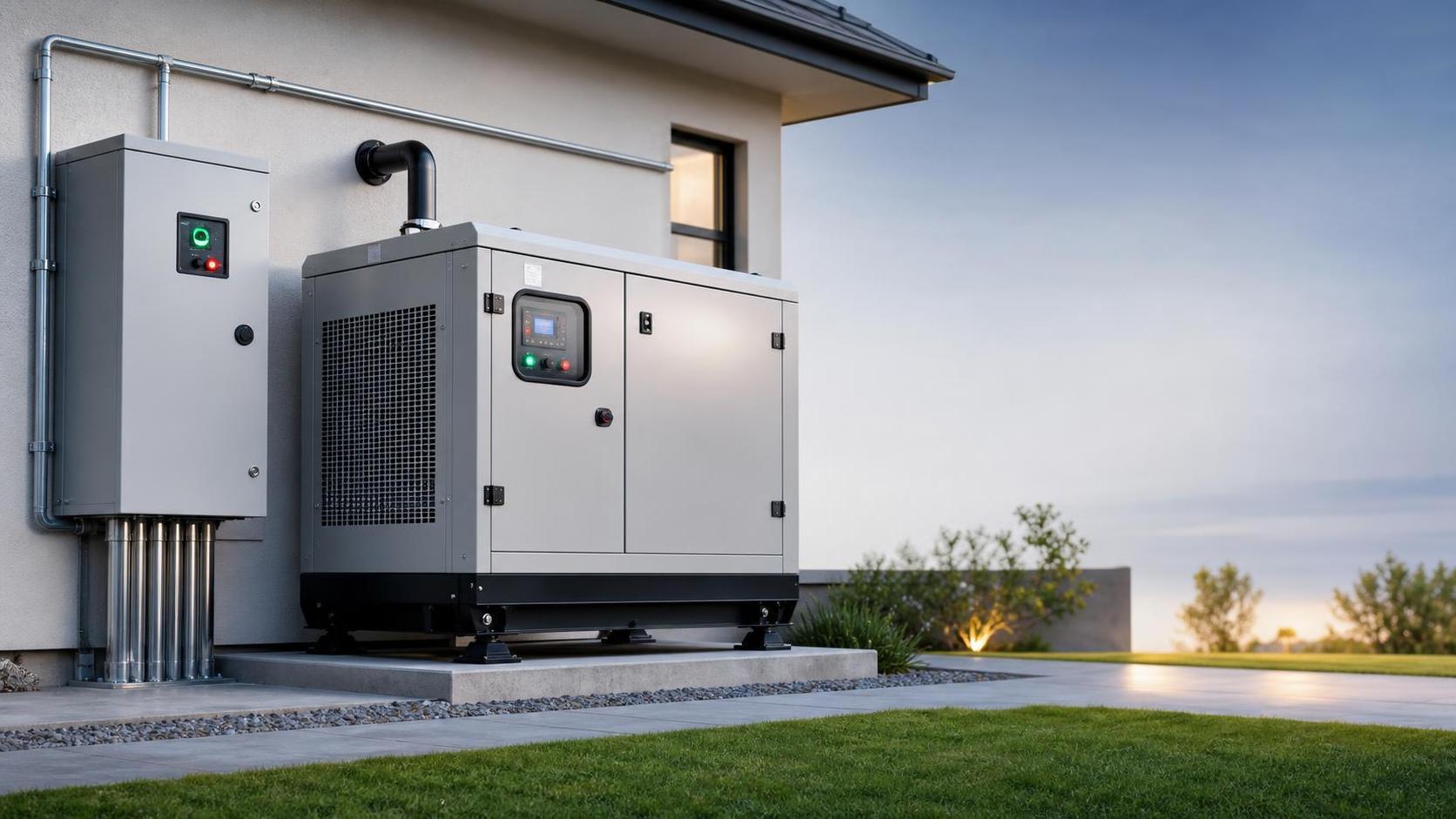
When evaluating EPOWER household backup generator reliability, homeowners need more than marketing claims—they need proven performance, stable power output, and dependable support. As a source manufacturer with extensive experience in diesel generator solutions, EPOWER delivers backup systems designed for durability, customization, and real-world home power protection. This article explores whether EPOWER is a reliable choice for residential backup use.
For buyers comparing residential backup systems, reliability is never just about whether an engine starts. It includes output stability during outages, fuel efficiency under partial load, noise control, maintenance access, spare parts availability, and the manufacturer’s ability to support customized configurations.
Although Guangdong Yundong Diesel Generator mainly serves broader power applications across 20-3000KW diesel generator sets, its manufacturing depth, multi-brand integration capability, and one-stop power supply expertise offer clear indicators for assessing EPOWER household backup generator reliability in home use scenarios.
What Reliability Means in a Household Backup Generator
In residential applications, a backup generator must perform well in 3 key moments: immediate startup after utility failure, continuous running for 8-24 hours when outages last overnight, and safe shutdown or transfer when grid power returns. A unit that only performs in one of these stages cannot be called reliable.
Homeowners usually focus on 4 practical questions: Will it start quickly? Can it protect appliances from unstable voltage? Is it manageable in terms of noise and maintenance? And can the supplier respond if replacement parts or technical guidance are needed within a reasonable service cycle?
Core Reliability Factors for Residential Backup Power
For a household system, reliability combines mechanical durability and system integration quality. The engine, alternator, controller, fuel system, cooling design, enclosure structure, and transfer switching logic all affect real-world performance. Even a strong engine can underperform if the control system or load matching is poor.
- Startup response under emergency conditions
- Stable frequency and voltage for sensitive home loads
- Continuous operation under 50%-80% load range
- Low failure risk during seasonal or infrequent use
- Accessible maintenance intervals and spare parts support
Why Manufacturing Background Matters
A source manufacturer usually has better control over assembly consistency, testing procedures, component sourcing, and export customization. That matters because home backup users often need tailored voltage, enclosure type, sound attenuation, or automatic transfer options rather than a generic off-the-shelf set.
EPOWER’s experience with open, silent, high-voltage, gas, and energy storage power equipment suggests broader engineering capability than a simple reseller model. For buyers, this improves confidence that the generator can be configured around actual load demands instead of forcing the home to adapt to a fixed product.
The table below shows the main criteria homeowners should use when judging EPOWER household backup generator reliability rather than relying only on price or rated power.
The main takeaway is simple: a reliable home generator is a system, not just an engine block. Buyers evaluating EPOWER household backup generator reliability should look at configuration fit, electrical stability, and service readiness as a package.
How EPOWER Performs as a Residential Backup Option
EPOWER is better known for industrial and commercial backup projects, including mines, hospitals, data centers, and factories. That background may seem larger in scale than home use, but it can be a strength. Manufacturers serving critical facilities are usually more disciplined about component matching, operating stability, and export-grade production processes.
For residential buyers, this means EPOWER is not approaching backup power as a lightweight consumer appliance. It is bringing power system thinking into a smaller deployment environment, which can improve reliability if the unit is sized correctly and installed with proper transfer and ventilation design.
Strengths That Support Reliability
One major advantage is brand and engine flexibility. EPOWER works with Cummins, Perkins, Mercedes Benz, Mitsubishi, Yuchai, Weichai, and Scania platforms. That gives buyers more options to balance 5 key concerns: fuel availability, maintenance familiarity, noise expectations, budget, and long-run durability.
Another strength is customization. Residential sites differ widely in space constraints, local noise expectations, and required loads. One home may only need 8-15KW for essential circuits, while another may require 20-50KW to support air conditioning, water pumps, kitchen equipment, and home office systems during a prolonged outage.
Common Home Loads and Sizing Logic
A dependable backup solution starts with sizing. Undersized units overload during motor startup, while oversized units may run inefficiently at very low load. For many residential projects, planning around 70%-80% of expected running load offers a practical buffer for startup surges and future expansion.
- List essential and optional appliances
- Calculate running and starting power demand
- Choose a generator with a suitable reserve margin
- Confirm ATS and installation layout requirements
- Plan maintenance access and fuel storage safely
The comparison below helps clarify how different residential backup requirements affect the assessment of EPOWER household backup generator reliability.
This comparison shows why no single answer fits every project. EPOWER household backup generator reliability is strongest when the supplier is allowed to match the configuration to the actual home load profile instead of treating every house as the same application.
Key Risks Homeowners Should Evaluate Before Buying
Even a capable manufacturer cannot guarantee strong field performance if the buyer overlooks installation and usage factors. In residential backup systems, many failures blamed on the generator actually come from incorrect sizing, weak fuel management, poor ventilation, or an ATS setup that was never properly tested after commissioning.
This is especially important for diesel units used only a few times per year. A generator that sits idle for 6-12 months without scheduled test runs can develop battery weakness, fuel issues, or starting problems. Reliability depends on both product quality and the discipline of ownership.
The Most Common Residential Backup Mistakes
- Choosing generator size by guesswork instead of load calculation
- Ignoring motor starting current for pumps and air conditioners
- Installing a standard enclosure where silent operation is needed
- Skipping monthly or bi-monthly test runs
- Failing to confirm local fuel storage, exhaust, and placement rules
Questions to Ask the Supplier
To assess EPOWER household backup generator reliability in a practical way, buyers should ask specific questions during quotation review. The answers often reveal more than brochures do. Technical transparency is a strong sign of manufacturing confidence.
Useful questions include the recommended load range, silent or open type suitability, controller options, routine maintenance interval in operating hours, spare parts lead time, and what information is needed to customize voltage, frequency, or export packaging.
The checklist below can help procurement teams or homeowners compare options before placing an order.
The checklist highlights a practical truth: the most reliable generator is not automatically the highest-rated unit. It is the one configured, installed, and maintained according to the site’s real operating conditions.
Maintenance, Support, and Long-Term Ownership Value
Long-term reliability depends heavily on how easy a system is to support after delivery. For many homeowners and procurement intermediaries, this matters as much as the purchase price. A generator may look competitive on day 1, but poor support can raise ownership risk over the next 2-5 years.
EPOWER’s role as a source manufacturer can be valuable here because direct manufacturers often handle customization, export preparation, and technical coordination more efficiently than pure trading channels. That can reduce communication gaps when the buyer needs a particular enclosure, control feature, or replacement component.
Recommended Ownership Practices
To get the best results from any residential diesel backup set, owners should establish a simple service routine. Even a low-hour generator benefits from scheduled attention because standby equipment ages through inactivity as well as use.
- Run and inspect the generator every 30-60 days
- Check battery condition, fuel quality, and control panel alarms
- Review oil, coolant, and air filter condition at defined intervals
- Verify ATS transfer logic at least during planned testing
- Record operating hours and maintenance actions for future service
Who Is EPOWER Best Suited For?
EPOWER is a strong fit for buyers who value technical selection over one-size-fits-all retail convenience. This includes villa owners, overseas distributors serving residential backup markets, contractors sourcing custom export units, and households in regions where outages may last from several hours to more than 1 day.
It is particularly suitable when the project needs more than a basic portable solution. If the goal is an integrated standby system with diesel durability, tailored enclosure options, and manufacturer-backed configuration support, EPOWER household backup generator reliability becomes a credible consideration rather than a marketing slogan.
Overall, EPOWER appears reliable for home backup use when the application is properly sized, professionally configured, and supported with routine maintenance. Its manufacturing background, broad engine platform options, and customization ability are meaningful advantages for buyers who need stable residential standby power instead of a generic power product.
If you are comparing backup systems for a house, villa, export project, or residential distribution business, EPOWER can be a practical option worth evaluating in detail. Contact us today to discuss your load requirements, request a customized generator solution, or learn more about available standby power configurations.
Specialized field of steel wire ropes
24/7 before-sales and after-sales services
Comprehensive technical support