



How to Choose a Household Emergency Generator for Power Outages
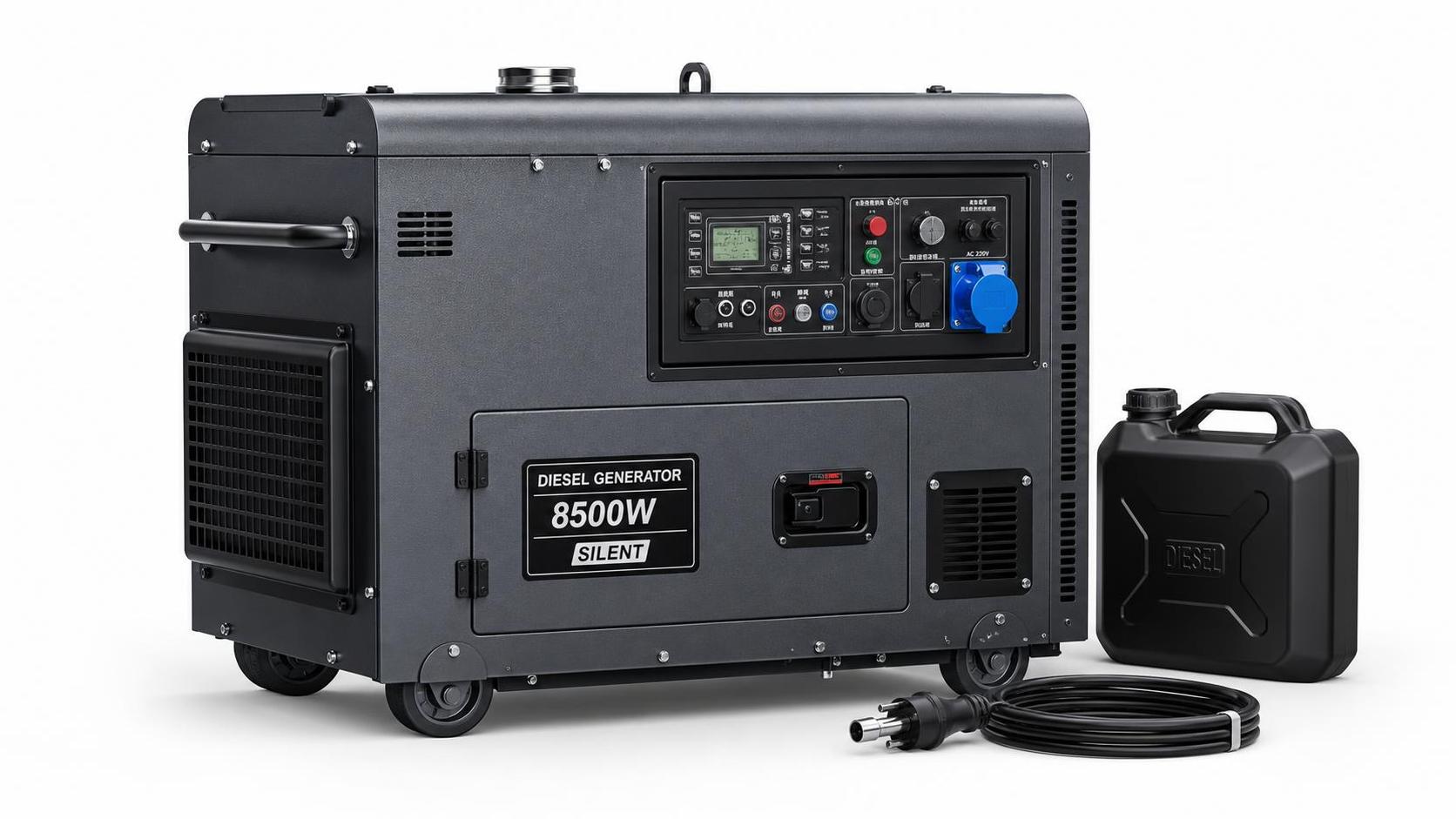
Why a Home Backup Power Solution Matters More Than Ever
When the power goes out, a reliable household emergency generator can keep your family safe and comfortable. Choosing the right one for your home involves understanding power needs, fuel types, and safety features. This guide will help you select the best backup solution from trusted brands like EPOWER, ensuring peace of mind during unexpected outages.
Power outages are no longer rare events. Extreme weather, aging grid infrastructure, and increasing energy demand have made interruptions more frequent and longer lasting. For a household, even a few hours without electricity can disrupt heating, cooling, refrigeration, medical devices, and communication.
A household emergency generator is not just a convenience. It is a practical investment in safety and continuity. The key is to choose one that matches your real needs without overspending on capacity you will never use.
Understanding Your Home’s Power Requirements
Before looking at generator models, you must calculate the total wattage your home requires during an outage. This is the most common mistake homeowners make. They either buy a unit that is too small or waste money on excessive capacity.
Start by listing the essential appliances you need to run. These usually include:
- Refrigerator and freezer
- Well pump or sump pump
- Heating system or space heater
- Lighting circuits
- Medical equipment if needed
- Phone charging and internet router
Each appliance has a starting wattage and a running wattage. Motors, like those in pumps and refrigerators, require a surge of power to start. A 5,000-watt running generator may need to handle 7,000 watts for a few seconds. Add up both values for everything you plan to power simultaneously.
For most households, a unit between 5,000 and 10,000 watts is sufficient for essential loads. If you want to run central air conditioning or an electric stove, you may need 15,000 watts or more. A clear understanding of your load profile is the first step toward choosing the right household emergency generator.
Fuel Options: Diesel, Gasoline, Propane, and Natural Gas
The fuel type determines how long your generator can run, how much maintenance it needs, and how safe it is to store. Each fuel has distinct advantages and limitations.
Diesel generators are widely regarded as the most durable and fuel-efficient option for home backup. They consume less fuel per kilowatt-hour compared to gasoline units. Diesel fuel is also less volatile, making it safer to store for extended periods. Manufacturers like EPOWER, which specialize in diesel generator sets ranging from 20 to 3000KW, offer reliable solutions for residential use. Diesel engines typically last longer and require less frequent maintenance, which is a significant advantage for a backup system that may sit idle for months.
Gasoline generators are more affordable upfront but have shorter lifespans. Gasoline degrades over time, so fuel stabilizers are necessary for long-term storage. Propane and natural gas generators burn cleaner and are easier to maintain, but they require a permanent gas line or large propane tanks. The choice often comes down to local fuel availability and your willingness to manage fuel storage.
For a household emergency generator, diesel strikes a strong balance between reliability, fuel availability, and long-term cost. Many homeowners prefer it for seasonal or long-duration outages.
Portable vs. Standby: Which Configuration Fits Your Home
There are two primary configurations for home backup generators: portable units and permanently installed standby systems. Each serves a different purpose.
Portable generators are cost-effective and flexible. You can move them around, store them in a garage, and use them for other purposes like camping or job sites. However, they require manual setup during an outage. You must connect appliances via extension cords or a transfer switch. They also need to be placed outdoors away from windows to prevent carbon monoxide poisoning.
Standby generators are permanently installed outside your home. They connect directly to your electrical panel and fuel supply. When the grid fails, they start automatically within seconds. This is the most convenient and safest option for households with medical needs or full-time occupants. Standby units are more expensive upfront, but they offer seamless protection.
For most homeowners, a portable household emergency generator in the 5,000 to 10,000 watt range is a practical starting point. If you want full automation and can invest more, a standby diesel unit from a reliable source manufacturer like EPOWER provides superior peace of mind.
Key Features to Look for in a Reliable Generator
Not all generators are built the same. Even within the same wattage class, quality and features vary significantly. Here are the critical aspects to evaluate when choosing a household emergency generator.
Engine quality is the most important factor. Look for reputable engine brands like Cummins, Perkins, or Yuchai. These engines are designed for continuous operation and have better parts availability. EPOWER, as a source manufacturer, partners with these global brands to ensure reliability and serviceability.
Noise level is another practical concern. Generators produce significant noise, which can disturb your household and neighbors. Silent or soundproofed enclosures are available for both portable and standby models. A decibel rating below 70 dB is comfortable for residential use.
Automatic voltage regulation (AVR) is essential for protecting sensitive electronics. Without AVR, voltage fluctuations can damage computers, TVs, and smart home devices. Many modern generators include AVR as standard, but always verify this feature before purchase.
Run time per tank of fuel determines how long you can operate without refueling. A larger fuel tank or an external fuel supply extends your backup window. For diesel generators, fuel efficiency is typically higher, allowing longer run times compared to gasoline units of the same size.
Safety Considerations for Home Generator Use
Safety is non-negotiable when operating a household emergency generator. The most common risks are carbon monoxide poisoning, electrical shock, and fire.
Never operate a generator indoors, including in garages, basements, or crawl spaces. Even with ventilation, carbon monoxide can accumulate to lethal levels. Place the generator at least 20 feet away from your home with the exhaust directed away from doors and windows.
Use a transfer switch or heavy-duty extension cords rated for outdoor use. Backfeeding electricity through a wall outlet is dangerous and illegal in many areas. It can electrocute utility workers and damage your home’s wiring.
Store fuel in approved containers away from living areas. Diesel fuel has a higher flash point than gasoline, making it safer for long-term storage. Always keep a fire extinguisher nearby and turn off the generator before refueling.
How EPOWER Supports Homeowners with Reliable Backup Solutions
Guangdong Yundong Diesel Generator, known as EPOWER, is a source manufacturer based in Foshan. They specialize in diesel generator sets from 20 to 3000KW, covering a wide range of power needs. While their equipment is often used in mines, hospitals, data centers, and factories, the same engineering principles apply to residential backup systems.
EPOWER offers open, silent, high-voltage, gas, and energy storage power equipment. For a household emergency generator, the silent or soundproofed models are particularly suitable. They reduce noise levels significantly, making them more neighbor-friendly and comfortable for extended use.
The company works with renowned engine brands including Cummins, Perkins, Mercedes Benz, Mitsubishi, Yuchai, Weichai, and Scania. This means you can choose a generator with a trusted engine core, backed by global parts availability. EPOWER also supports customized exports and provides one-stop power supply solutions, from initial consultation to after-sales support.
For homeowners who want a diesel generator built to industrial standards, EPOWER offers a compelling option. Their experience in large-scale projects translates to higher reliability and better engineering for residential units as well.
Making the Final Decision: Matching Your Needs to the Right Generator
Choosing a household emergency generator is not about finding the most expensive or the cheapest model. It is about matching your specific requirements to the right specifications.
Start with your power audit. Determine the total wattage you need and whether you want a portable or standby system. Then decide on fuel type based on availability and storage preferences. Diesel is often the best choice for homeowners who prioritize longevity and fuel safety.
Next, evaluate the generator’s build quality. Look for reputable engine brands, quiet operation, and essential safety features like AVR and low-oil shutdown. If you are considering a diesel generator, explore options from manufacturers like EPOWER that offer customized solutions and reliable components.
Finally, plan for installation and maintenance. Standby generators require professional installation with a transfer switch and proper ventilation. Portable generators need regular testing, fuel management, and occasional oil changes. A well-maintained generator can last 20 years or more, making it a long-term investment in your home’s resilience.
If you are unsure about the exact specifications, consult with a supplier who understands both residential and industrial backup power. Review your load list, ask about fuel efficiency, and request noise level data. The right household emergency generator will give you confidence that your family stays safe and comfortable, no matter what the grid does.
Specialized field of steel wire ropes
24/7 before-sales and after-sales services
Comprehensive technical support