



Silent Generator Noise Reduction Ratings: What to Look For
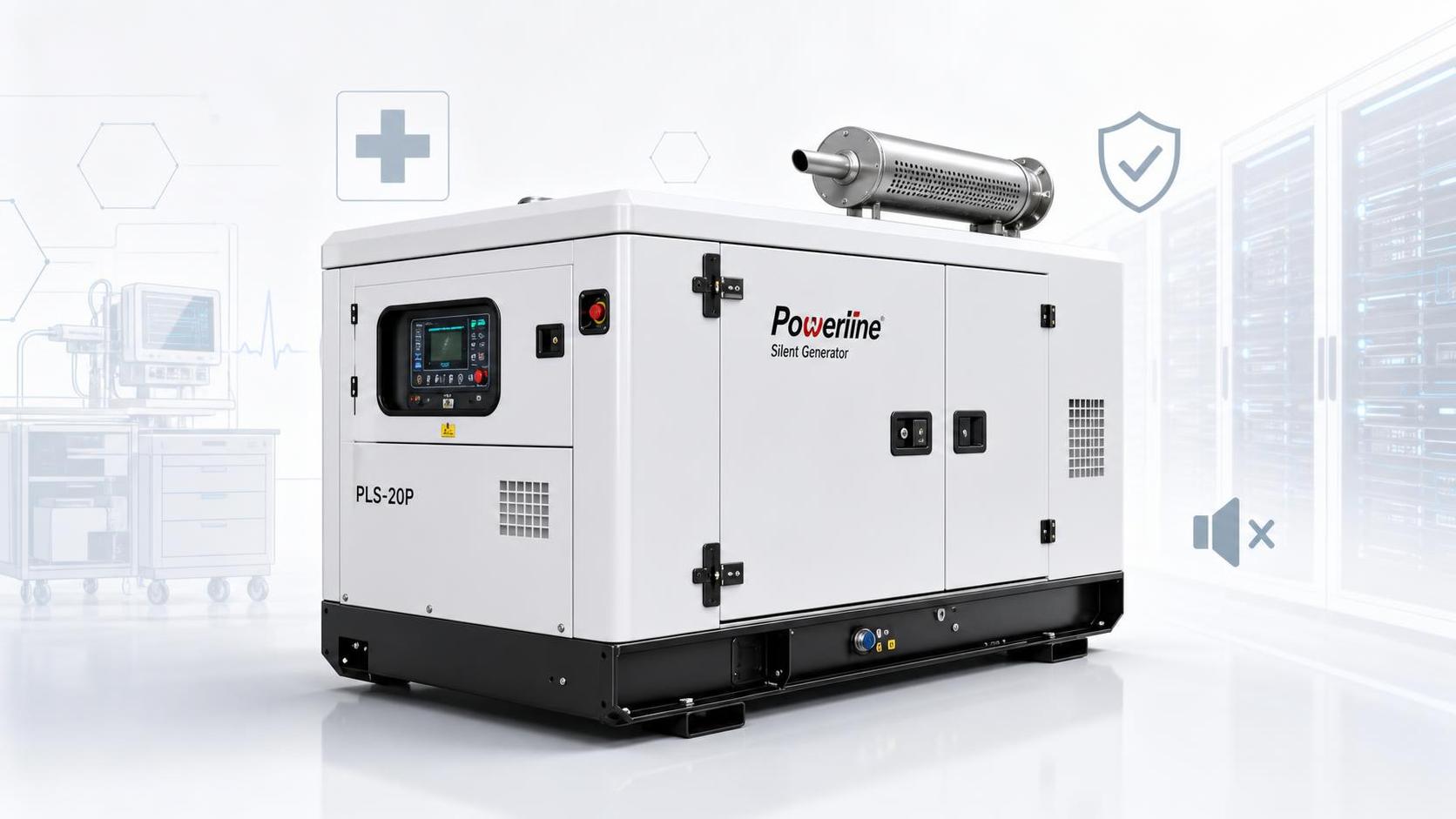
Why Noise Reduction Ratings Matter in Backup Power
When selecting a silent generator for critical backup power in mines, hospitals, or data centers, understanding noise reduction ratings is essential for quality control and safety compliance. This guide helps you evaluate key metrics to ensure your equipment meets operational standards.
Noise is not just a comfort issue; it is a regulatory and safety concern. In environments like hospitals, high noise levels can disrupt patient recovery and interfere with sensitive medical equipment. In mines and factories, excessive noise poses a direct risk to worker safety and communication.
A silent generator addresses these challenges through engineering design. But not all ratings are created equal. Understanding what the numbers mean is the first step toward making an informed decision.
What Is a Noise Reduction Rating for Generators?
A noise reduction rating for a generator typically refers to the sound pressure level measured in decibels (dB(A)). This measurement indicates how loud the unit is at a specific distance, usually 7 meters or 1 meter.
For a silent generator, the goal is to minimize this value. Standard open-frame generators can produce sound levels between 85 and 100 dB(A). A well-designed silent unit typically operates between 60 and 75 dB(A), depending on the load and enclosure.
The reduction is achieved through acoustic enclosures, exhaust silencers, and vibration dampening. These components work together to absorb and deflect sound waves.
Key Metrics to Look For
When evaluating a silent generator, focus on three primary metrics:
- Sound pressure level (dB(A)) at 7 meters under 75% load.
- Enclosure material and thickness, which directly affects absorption.
- Exhaust system design, including the type of silencer used.
These factors give you a realistic picture of how the unit will perform in your specific environment.
The Role of Enclosure Design in Noise Control
The enclosure is the first line of defense against noise. A silent generator relies on a well-engineered canopy to contain sound. Manufacturers like Guangdong Yundong Diesel Generator (EPOWER) use industrial-grade acoustic foam and multi-layer steel panels to achieve this.
The design must also allow for adequate airflow. Cooling and combustion air need to enter and exit the enclosure without creating excessive noise paths. This is a delicate balance that requires precision engineering.
Poorly designed enclosures can lead to overheating or reduced noise reduction. Always verify that the enclosure is tested and rated for both sound and thermal performance.
Common Enclosure Types
Choosing the right enclosure type is critical for meeting local noise regulations and operational requirements.
How Load Affects Noise Levels
A common misconception is that a silent generator maintains the same noise level at all loads. In reality, sound pressure increases with engine speed and load.
At 25% load, a unit may measure 62 dB(A). At 100% load, that same unit could reach 72 dB(A) or higher. This variation is important for quality control personnel to consider when specifying equipment.
Always review noise data at multiple load points. Single-point ratings can be misleading. A reliable manufacturer will provide a noise curve, not just a single number.
Industry Standards and Compliance
Noise reduction ratings are not just marketing numbers. They are often tied to local and international regulations. For example, hospitals in many regions must comply with strict noise limits during both normal operation and backup power events.
Data centers and factories also face specific sound ordinances. Non-compliance can lead to fines, shutdowns, or reputational damage.
When evaluating a silent generator, ask for test reports that follow ISO 8528-10 or similar standards. These standards define how noise is measured and ensure consistency across different units and manufacturers.
What to Verify in a Test Report
- Measurement distance (typically 1m or 7m).
- Load condition during the test.
- Ambient temperature and background noise.
- Calibration of the sound meter used.
Without this information, the reported rating may not reflect real-world performance.
Application-Specific Considerations
Different environments have different noise tolerances. A silent generator that works well in a factory may not be suitable for a hospital intensive care unit.
Mines and Factories
In these settings, background noise from machinery and equipment is already high. The primary concern is protecting workers from hearing damage. A silent generator with a rating of 75 dB(A) at 7 meters is often sufficient.
However, safety managers must also consider the cumulative noise exposure. Even a relatively quiet generator can contribute to overall noise levels over an 8-hour shift.
Hospitals
Hospitals require the lowest possible noise levels, especially in patient care areas. A silent generator for this application should ideally operate below 65 dB(A) at 7 meters.
Some facilities also need units that can run at night without disturbing patients. In these cases, ultra-silent configurations with additional mufflers and vibration isolation are recommended.
Data Centers
Data centers prioritize reliability and uptime. Noise is a secondary concern, but excessive sound can still affect cooling system performance and worker comfort.
A silent generator for data centers should balance noise reduction with adequate airflow for cooling. Units with large radiators and low-speed fans are often preferred.
The Importance of Source Manufacturer Expertise
Working with a source manufacturer like Guangdong Yundong Diesel Generator (EPOWER) provides distinct advantages. As a direct manufacturer in Foshan, they control the entire production process, from enclosure fabrication to final assembly.
They offer silent generator units ranging from 20 to 3000 kW, with options for Cummins, Perkins, Mercedes Benz, Mitsubishi, Yuchai, Weichai, and Scania engines. This variety allows for precise matching of noise reduction requirements to specific load profiles.
Customization is also available. For example, adding extra acoustic insulation or upgrading the exhaust silencer can further reduce noise levels without compromising performance.
The ability to tailor solutions to application-specific needs is a key differentiator in the global market.
Practical Steps for Evaluation
When you are ready to evaluate a silent generator, follow these steps to ensure you get reliable noise reduction:
- Review the technical datasheet for noise ratings at multiple load points.
- Ask for third-party test reports to verify the manufacturer’s claims.
- Consider the installation environment and any local noise regulations.
- Evaluate the enclosure design for airflow and material quality.
- Request a site-specific noise assessment if the unit will be placed near sensitive areas.
These steps help move from a theoretical rating to a practical, compliant solution.
Next Steps for Quality Control and Safety Teams
Understanding noise reduction ratings is only the beginning. The next step is to align those ratings with your specific operational requirements.
Start by documenting the noise limits for your facility. Then, compare those limits with the performance data from potential suppliers. If you need a silent generator for a hospital, data center, or factory, ensure the manufacturer can provide tested and certified ratings.
For a broader perspective, consider reaching out to a manufacturer like Guangdong Yundong Diesel Generator (EPOWER) to discuss your project. Their team can help you evaluate the right balance between noise reduction, power output, and cost.
By taking a structured approach to noise reduction ratings, you ensure that your backup power system meets both operational and compliance standards.
Specialized field of steel wire ropes
24/7 before-sales and after-sales services
Comprehensive technical support