



What Noise Level Specifications Matter in a Silent Generator
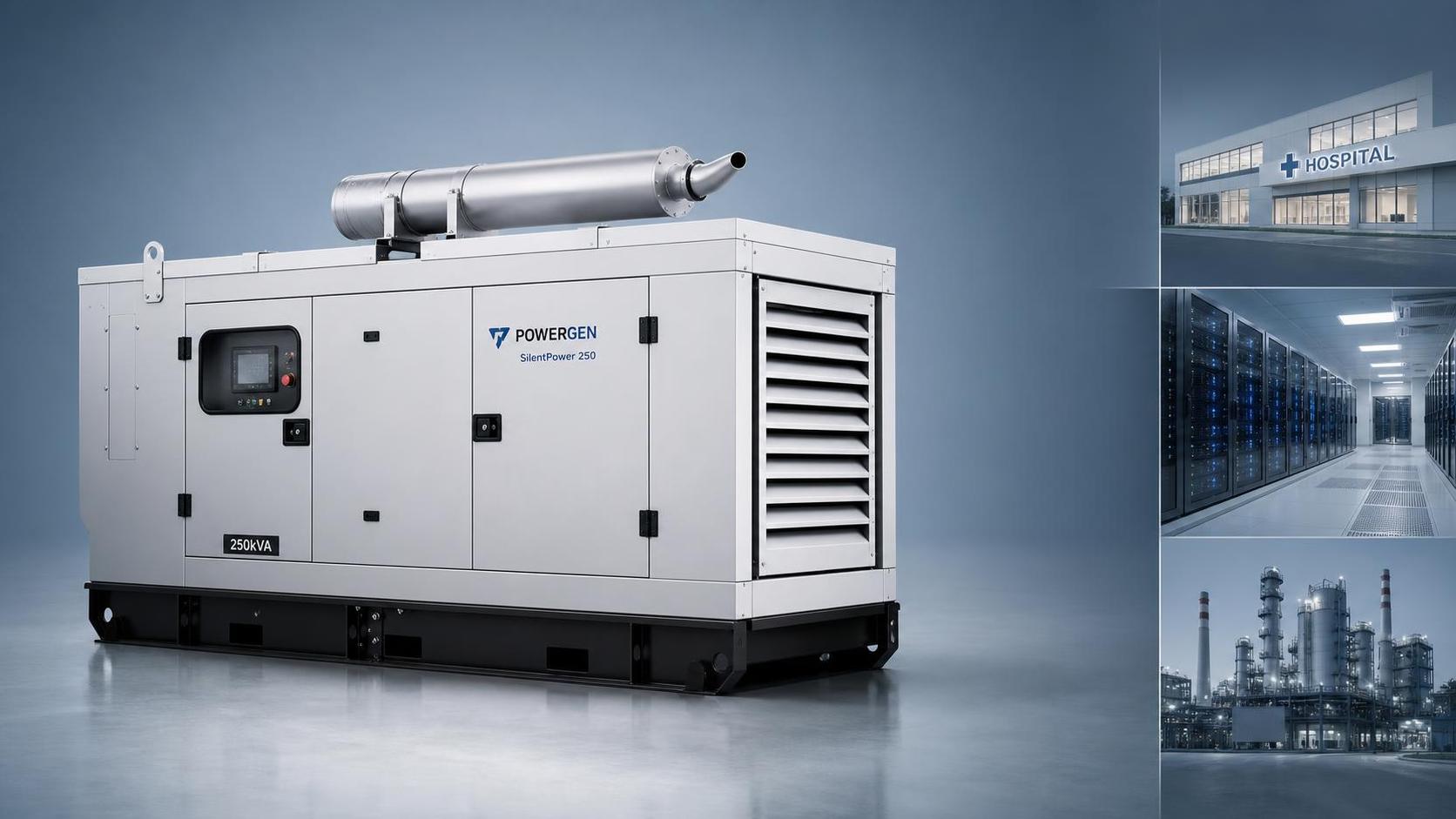
When evaluating a quiet power solution, understanding silent generator noise level specifications is essential for making the right choice. From hospitals and data centers to factories and mines, noise performance affects compliance, comfort, and site suitability. This guide explains which specifications truly matter, how they are measured, and how to compare silent diesel generators for reliable, efficient, and low-noise operation.
For procurement teams, contractors, and facility operators, the challenge is not simply finding a generator labeled “silent.” The real task is interpreting silent generator noise level specifications in a way that matches site limits, load requirements, installation distance, and long-term operating conditions.
In industrial backup power projects, a 20 kW unit for a clinic and a 2000 kW system for a data center cannot be judged by the same acoustic expectations. Noise performance depends on enclosure design, engine speed, exhaust treatment, ventilation path, testing conditions, and the point where sound is measured.
As a source manufacturer in Foshan, Guangdong Yundong Diesel Generator (EPOWER) supplies 20–3000 kW diesel generator sets and related power equipment, including open, silent, high-voltage, gas, and energy storage systems. For export and customized projects, clear specification review helps buyers compare options more accurately and avoid costly mismatches.
What Silent Generator Noise Level Specifications Actually Mean
The first step is separating marketing language from measurable data. In technical purchasing, silent generator noise level specifications should always include a decibel value, a measurement distance, and preferably the operating load condition. Without these 3 elements, comparisons are incomplete.
dB(A) is the most common acoustic unit
Most generator suppliers state noise in dB(A), which reflects how the human ear perceives sound. A rating such as 68 dB(A) at 7 meters is far more useful than a general statement like “low-noise canopy.” Even a difference of 3 dB can be noticeable in sensitive environments.
Distance changes the result
A silent diesel generator measured at 1 meter will always show a higher reading than the same unit measured at 7 meters. This is why buyers should never compare 75 dB(A) at 1 meter with 68 dB(A) at 7 meters as if they were equal. The test distance must match.
Load condition also matters
Generator noise may rise as electrical load increases from 25% to 75% or 100%. Fan speed, engine combustion, and exhaust pressure all influence the final reading. If the specification does not mention load, ask whether the figure reflects standby, prime, or a partial-load test.
Common sources of generator noise
The enclosure is only one part of the acoustic system. In practice, 4 main noise sources must be controlled together: engine mechanical noise, cooling fan airflow, exhaust discharge, and vibration transmitted to the base or surrounding structure.
- Engine block and combustion noise
- Radiator and cooling air turbulence
- Exhaust pulsation and muffler performance
- Base frame vibration and structural resonance
For projects in hospitals, laboratories, schools, and offices, overlooking just one of these 4 sources can make a nominally quiet unit sound much louder on site. That is why silent generator noise level specifications should be reviewed together with canopy layout and installation details.
The table below shows how buyers should interpret the most common acoustic specification items when comparing silent generator options across different power ranges and applications.
The key takeaway is simple: a usable acoustic specification is never just one number. For a reliable comparison, buyers need at least 4 matching conditions—dB(A), distance, load, and operating speed.
Which Noise Specifications Matter Most for Different Sites
Not every project needs the same acoustic target. Silent generator noise level specifications should be selected based on where the generator will operate, how many hours it may run, and whether nearby people or equipment are sensitive to noise or vibration.
Hospitals and healthcare facilities
Hospitals often require lower external noise because generators may be close to wards, emergency entrances, or outpatient buildings. In these projects, buyers should review noise at 7 meters, exhaust silencer grade, and vibration isolation. A difference between 65 and 72 dB(A) can matter significantly.
Data centers and communication rooms
Data centers focus on reliability first, but noise remains important where generators are installed near offices or neighboring property. Multi-unit systems from 500 kW to 3000 kW may need enclosure treatment plus external attenuation, especially if local daytime and nighttime limits differ.
Factories, mines, and heavy industry
Industrial sites may tolerate higher background noise, but acoustic control still matters for permitting, worker comfort, and export compliance. In mines and factories, practical concerns include airflow resistance, canopy durability, and whether reduced noise compromises cooling under high ambient temperatures.
The following table links common applications to practical acoustic evaluation points, helping procurement teams align silent generator noise level specifications with real operating environments.
This comparison shows that the “right” noise level is not universal. A site with strict boundary limits may require a lower acoustic target, while a remote industrial project may prioritize service access and cooling performance over the lowest possible decibel number.
How to Compare Silent Diesel Generators Without Misreading the Data
Many buying mistakes happen because two quotations appear similar on paper. In reality, one supplier may list noise at 7 meters under 75% load, while another lists noise at 1 meter with no load condition stated. The numbers are not directly comparable.
Use a 6-point comparison method
- Check the dB(A) figure.
- Confirm measurement distance.
- Verify engine speed and frequency.
- Ask for load condition during testing.
- Review silencer and canopy construction.
- Evaluate installation environment and boundary requirement.
This 6-point review is especially important when sourcing export projects, where the generator may operate in a container yard, urban industrial estate, or near public infrastructure. Silent generator noise level specifications only become meaningful when they match the final installation context.
Watch for 3 common procurement errors
Confusing enclosure type with actual acoustic output
A silent canopy does not automatically mean low boundary noise. Door sealing, louver design, intake resistance, and muffler grade all influence performance. Two 500 kW silent sets may differ by 5–10 dB(A) depending on enclosure engineering.
Ignoring site reflection and installation conditions
Concrete walls, roof structures, and narrow plant rooms can amplify perceived noise. A generator that meets specification in open-field testing may sound louder after installation if air discharge or exhaust flow reflects back toward operators or adjacent buildings.
Choosing the lowest decibel figure at the expense of performance
Extra acoustic insulation can increase internal heat if ventilation is poorly designed. For continuous or high-load operation, especially above 800 kW, cooling performance must remain stable. A balanced design is more valuable than simply chasing the smallest listed number.
Practical Specification Advice for B2B Buyers and Project Engineers
For most B2B projects, the best approach is to define acoustic requirements early in the inquiry stage. Along with rated power, voltage, and frequency, buyers should state target dB(A), preferred test distance, installation type, ambient temperature range, and whether the unit will be used for standby or prime duty.
What to include in your RFQ
- Required power range, such as 100 kW, 800 kW, or 2000 kW
- Silent generator noise level specifications target, for example at 7 meters
- 50 Hz or 60 Hz requirement
- Open, silent, containerized, or high-voltage configuration
- Site type: hospital, factory, mine, or data center
- Export destination and any local environmental limit
With complete RFQ information, manufacturers can recommend a more suitable canopy structure, muffler arrangement, and airflow path. This is particularly useful for custom export projects where packaging, transport dimensions, and on-site lifting also affect enclosure design.
The table below outlines a practical decision matrix that helps engineering and purchasing teams review silent generator noise level specifications alongside broader project factors.
For buyers managing multiple facilities, this approach reduces specification gaps and helps standardize purchasing across different generator capacities, from small standby units to large backup systems serving industrial or mission-critical infrastructure.
Why manufacturer support matters
A source manufacturer with broad product coverage can help match acoustic and power requirements more efficiently. Guangdong Yundong Diesel Generator (EPOWER) supplies diesel generator sets from 20–3000 kW and supports open, silent, high-voltage, gas, and energy storage power equipment for hospitals, factories, mines, and data centers.
For customized export orders, practical support often includes configuration selection, application-based recommendation, and one-stop power supply planning. This becomes valuable when silent generator noise level specifications must align with both performance targets and local deployment conditions.
Final Checklist Before You Place an Order
Before approving a quotation, confirm 5 essentials: rated output, noise value in dB(A), measurement distance, test load condition, and installation scenario. If even 1 of these items is unclear, the acoustic result on site may differ from expectations.
The most useful silent generator noise level specifications are those tied to real application needs, not isolated catalog numbers. Whether you need backup power for a hospital, a low-noise set for a data center, or a durable industrial system for a mine or factory, the right specification should balance sound control, ventilation, serviceability, and dependable output.
If you are comparing diesel generator options from 20 kW to 3000 kW, or need a customized silent power solution for export, now is the right time to review the acoustic details before final selection. Contact us today to get a tailored recommendation, discuss product specifications, and explore more one-stop power supply solutions.
Specialized field of steel wire ropes
24/7 before-sales and after-sales services
Comprehensive technical support