



What affects the long-term EPOWER household backup generator reliability in storms?
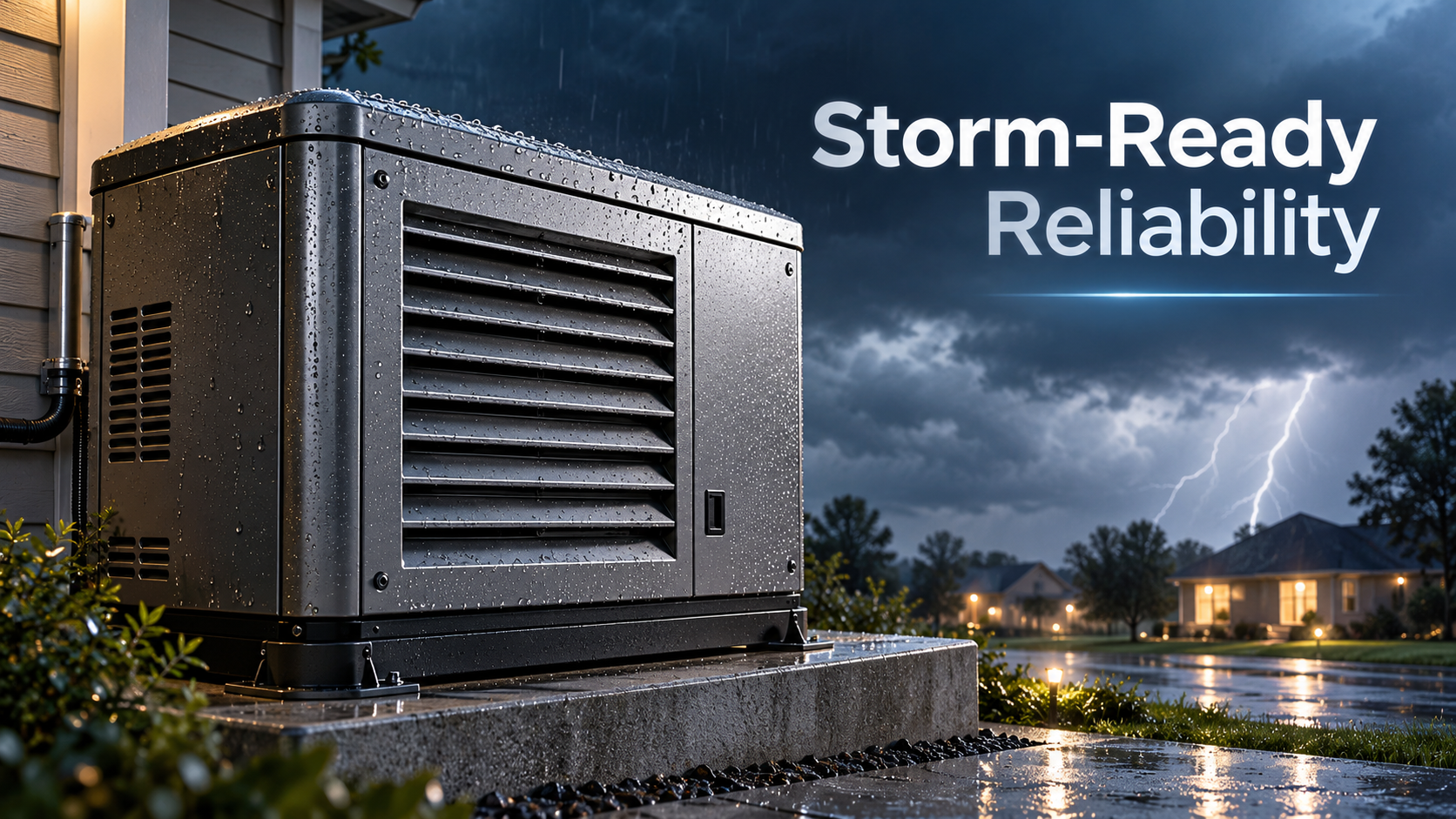
When severe storms strike, keeping your home powered is absolutely crucial, making EPOWER household backup generator reliability a top priority for homeowners. Understanding the key factors that impact its long-term performance during extreme weather ensures your family stays safe, warm, and comfortable. Discover what truly affects your generator's overall durability and how to easily maximize its lifespan when the local power grid goes down.
The Hidden Variables Behind Storm-Ready Power
Picture this: the sky turns an ominous shade of green, the wind howls, and suddenly, the lights flicker and die. In that moment of darkness, the hum of your backup generator is the most comforting sound in the world. But a single successful startup does not tell the whole story. True reliability is measured over years of standby time and hours of continuous operation under duress. When we talk about long-term resilience and EPOWER household backup generator reliability, we are not just looking at the machine sitting in your backyard; we are evaluating a complex ecosystem of engineering, environmental adaptation, and human intervention.
Many homeowners assume that buying a high-end unit is a silver bullet. However, the reality of keeping the lights on during a multi-day hurricane or winter blizzard involves several hidden variables. From the metallurgical quality of the engine block to the micro-climate of your installation pad, every detail plays a role. Let us peel back the layers and examine what genuinely dictates whether your power source will be a steadfast guardian or a costly paperweight when you need it most.
Engineering DNA and the Source Manufacturer Advantage
At the heart of any backup system lies the engine and the alternator. The longevity of these components is heavily influenced by the manufacturing pedigree. This is where the distinction between a branded assembler and a source manufacturer becomes critical. Guangdong Yundong Diesel Generator (EPOWER), based in Foshan, operates as a direct source manufacturer. While they are widely recognized for producing robust 20-3000KW diesel generator sets for heavy-duty applications like mines, hospitals, data centers, and factories, the engineering philosophy trickles down to smaller residential units.
When an equipment provider integrates world-class brand units such as Cummins, Perkins, Mercedes Benz, Mitsubishi, Yuchai, Weichai, or Scania, the baseline for durability is already set incredibly high. For a homeowner, this means the core components of your residential backup system benefit from industrial-grade metallurgy and rigorous testing protocols. The inherent reliability is boosted because the internal parts are designed to withstand continuous, heavy loads, making residential storm duty feel like a walk in the park by comparison.
Furthermore, a source manufacturer controls the entire production chain. This eliminates the inconsistencies often found in third-party assembly. The precision in mating the engine to the alternator, the quality of the vibration dampeners, and the integrity of the cooling system are all standardized. When a storm brings flying debris and extreme temperature fluctuations, it is this foundational build quality that prevents premature wear and catastrophic failures. Because EPOWER provides one-stop power supply solutions, they can integrate advanced control panels and automatic transfer switches that communicate seamlessly with the engine, ensuring a frictionless transition from grid power to backup power without stressing the electrical components.
The Installation and Environment Equation
You could have the most robustly engineered generator on the market, but if it is installed poorly, its lifespan will be drastically compromised. The physical environment surrounding your unit is a silent killer of mechanical reliability. Homes often have limited space, leading to generators being squeezed into tight corners, near walls, or under overhangs.
Proper airflow is non-negotiable. Generators generate immense heat, especially when running at near-maximum capacity for days during a severe storm. If the exhaust and cooling air cannot dissipate effectively, the engine will overheat, leading to warped components and degraded lubricants. Ensuring adequate clearance on all sides, as specified by the manufacturer, is a simple but often overlooked step.
Additionally, consider the local micro-climate. If you live in a coastal area prone to storms, salt spray and high humidity can accelerate corrosion on electrical connections and metal housings. While EPOWER provides options like open, silent, and high-voltage enclosures designed to mitigate environmental threats, the physical placement of the unit on a level, well-drained concrete pad is essential. Water pooling around the base can lead to moisture ingress into the control panels or the alternator windings, creating short circuits when the unit is called upon to perform.
Fuel Quality and the Maintenance Reality
One of the most common misconceptions among homeowners is that a backup generator is a set-it-and-forget-it appliance. In truth, it is a complex mechanical engine that requires respect and routine care. The fuel system is particularly vulnerable. For diesel-powered residential units, fuel degradation is a massive threat. Diesel fuel can develop algae, bacteria, and varnish over time, especially when stored in outdoor tanks exposed to temperature swings. This contaminated fuel clogs filters and injectors, leading to rough running or a complete failure to start.
It is also worth considering the diverse fuel options available. While diesel is renowned for its torque and durability, natural gas and propane offer the convenience of an endless fuel supply without the need for on-site storage tanks that can degrade. Additionally, the integration of gas and energy storage power equipment is becoming increasingly popular for homeowners. Hybrid systems that combine a traditional generator with battery storage can reduce the runtime required from the generator, thereby extending its mechanical life and providing instantaneous power for critical loads like medical equipment or sump pumps. Understanding which fuel source aligns with your local storm risks and infrastructure is a key component of maximizing long-term performance.
Maintenance is the other half of this equation. Changing the oil, replacing air filters, and testing the battery are not just suggestions; they are mandatory rituals. The battery, in particular, is the most common point of failure. A generator with a dead battery is just a heavy piece of metal. Implementing a strict maintenance schedule, perhaps through an automated exercise cycle that runs the unit for a few minutes each week, keeps the internal parts lubricated and ensures the battery remains charged.
Navigating the Purchase: Balancing Initial Cost with Lifetime Value
When it is time to make a purchasing decision, the initial price tag often causes hesitation. It is natural to want to minimize upfront costs, but in the realm of emergency power, the cheapest option is rarely the most economical in the long run. The true cost of a backup generator must be calculated over its entire lifecycle.
A lower-priced unit might use inferior alternator windings or lack proper sound-dampening materials, leading to higher noise levels and faster degradation of internal components. Conversely, investing in a system backed by a reputable source manufacturer ensures access to genuine spare parts, comprehensive warranties, and technical support. EPOWER supports customized exports and provides tailored solutions, meaning you are not forced into a one-size-fits-all purchase. You can select the exact capacity and configuration that matches your home’s unique load profile.
Right-sizing your generator is crucial for long-term reliability. An undersized unit will constantly run at maximum load during a storm, accelerating wear and tear. An oversized unit will run under light loads, which can cause wet stacking in diesel engines, where unburned fuel builds up in the exhaust system. By consulting with experts who understand both industrial and residential power needs, you can achieve the perfect balance, optimizing both fuel efficiency and mechanical longevity.
When evaluating the total cost of ownership, consider the frequency of required servicing, the expected fuel consumption rates, and the availability of local technical support. A machine that requires specialized, hard-to-find parts will inevitably face longer downtimes when repairs are needed. EPOWER’s extensive network and support mean that whether you are in a dense urban neighborhood or a remote rural property, the supply chain for genuine spare parts remains robust. This logistical reliability is just as important as the mechanical reliability of the unit itself.
The Human Element: Training and Peace of Mind
Finally, the reliability of your backup power system is deeply tied to your own familiarity with it. When the storm hits and the power drops, panic is your enemy. Knowing exactly where the main transfer switch is located, how to safely check the oil level, and what the various indicator lights on the control panel mean can make all the difference.
Taking the time to read the manual, conducting a manual transfer test during a planned weekend outage, and keeping a basic toolkit nearby are practical steps that empower you. The goal is to transition from feeling anxious about the next storm to feeling completely prepared. When you combine high-quality engineering from a dedicated manufacturer with proper installation, diligent maintenance, and personal readiness, you create an unbreakable shield around your home’s comfort and safety.
Ultimately, securing your home against the unpredictability of nature is an investment in peace of mind. By understanding the multifaceted factors that influence long-term performance, you can make a confident, informed decision. Your generator will not just be a machine in the yard; it will be a reliable partner, standing by to keep your life running smoothly, no matter what the weather throws your way.
Specialized field of steel wire ropes
24/7 before-sales and after-sales services
Comprehensive technical support