



What market trends are shaping the future of the Diesel generator set industry?
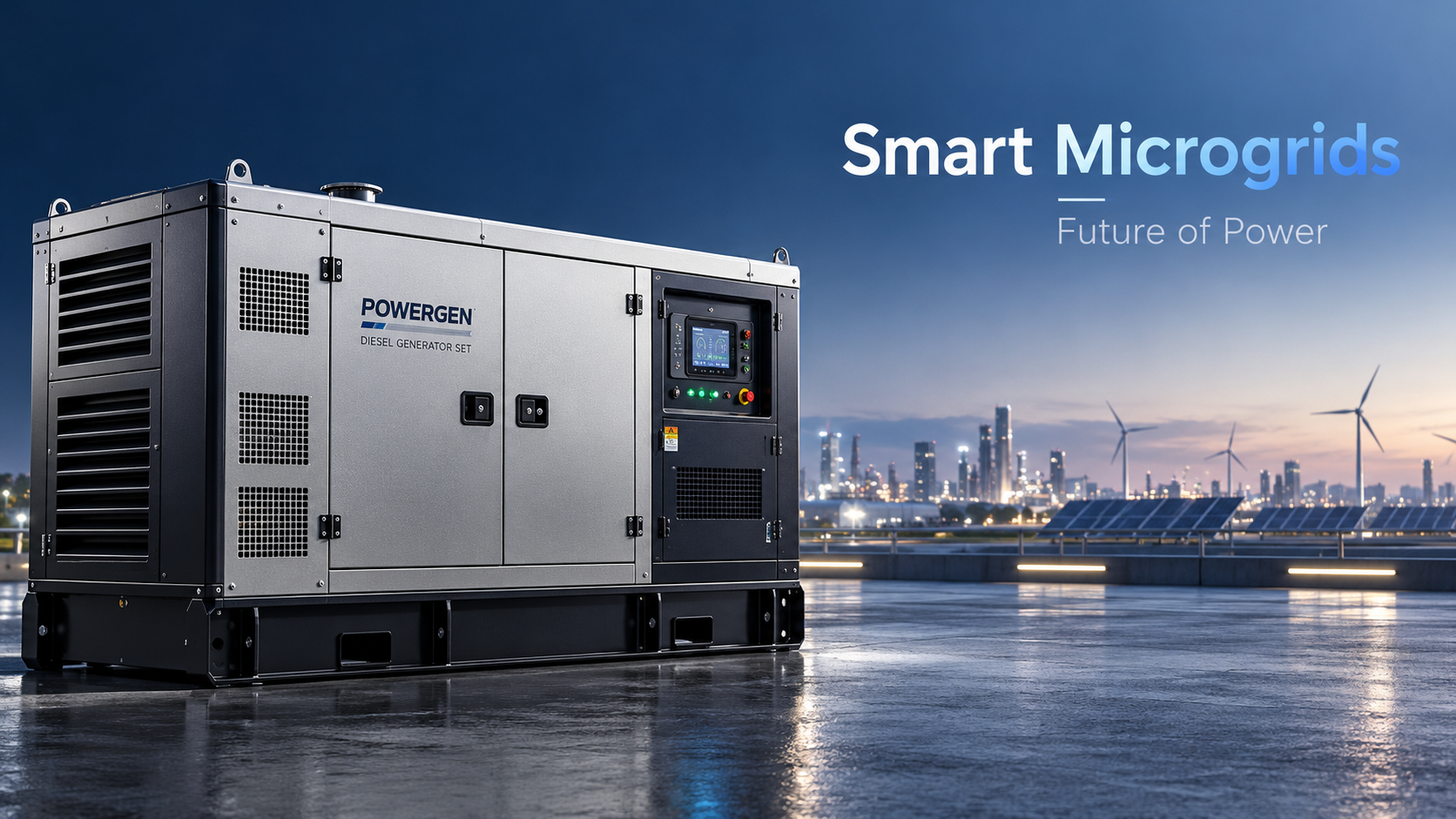
The diesel generator set industry is not facing obsolescence; it is undergoing a fundamental structural shift. For business evaluators and procurement leaders, the core question is no longer whether to invest in diesel backup power, but how to evaluate these assets against evolving regulatory, operational, and technological baselines. The future of this market is being shaped by a transition from standalone mechanical backup to integrated, compliant, and intelligent power nodes. Understanding these dynamics is essential for calculating true total cost of ownership and ensuring operational resilience in critical facilities.
Emission Regulations and the True Cost of Compliance
Stricter global emission standards are the most immediate drivers of change in the diesel generator market. Regulations targeting nitrogen oxides and particulate matter have forced a reevaluation of how backup power is specified and operated. For evaluators, this means the initial capital expenditure is only a fraction of the compliance equation.
The choice of engine brand—whether global leaders like Cummins, Perkins, Mercedes Benz, Mitsubishi, and Scania, or regional powerhouses like Yuchai and Weichai—now dictates long-term operational flexibility. Evaluators must look beyond the nameplate. Advanced aftertreatment systems required to meet stringent emission tiers introduce new maintenance variables, such as diesel exhaust fluid consumption and particulate filter regeneration cycles.
A significant trend shaping procurement is the preference for engine manufacturers that offer proven, field-tested emission solutions rather than early-adopter technologies. In regions where ultra-low sulfur diesel is not consistently available, selecting the right engine calibration becomes a critical risk mitigation strategy. Furthermore, the industry is actively adapting to decarbonization goals through fuel flexibility. Many modern diesel generator sets are now being engineered to handle blends of Hydrotreated Vegetable Oil and biodiesel without voiding warranties. This compatibility allows facilities to reduce their carbon footprint incrementally while maintaining the high energy density and rapid start-up capabilities that diesel uniquely provides.
From Cold Standby to Hybrid and Smart Microgrids
The traditional model of a diesel generator sitting in cold standby for decades is being replaced by active participation in facility microgrids. This shift is particularly evident in data centers, large-scale industrial plants, and mining operations where power continuity is non-negotiable.
Modern diesel generator sets are increasingly being deployed in hybrid configurations, coupled with energy storage systems and renewable inputs. In this setup, the diesel unit handles baseline or peak shaving loads, while batteries manage transient responses and frequency regulation. This reduces overall fuel consumption, minimizes engine wet-stacking, and extends the asset's lifespan. The integration of gas generator sets and energy storage power equipment into the same product portfolios by manufacturers reflects this exact market demand.
Simultaneously, smart monitoring and IoT integration have transformed maintenance from reactive to predictive. Business evaluators should now require generator control systems that offer real-time telemetry, remote diagnostics, and automated load testing. For a hospital or a tier-III data center, the ability to monitor fuel levels, battery health, and engine parameters from a centralized dashboard is a baseline requirement for minimizing unplanned downtime. The market is clearly moving toward generator sets that act as data-generating nodes within a broader facility management system, providing actionable insights rather than just raw electricity.
Application-Specific Customization and Supply Chain Agility
As critical infrastructure becomes more complex, off-the-shelf generator solutions are losing their appeal. The market trend heavily favors source manufacturers capable of deep customization across the 20 to 3000KW power range. The ability to tailor the physical and electrical characteristics of the unit to the specific environment is becoming a primary differentiator.
Consider the distinct requirements of different sectors. A mining operation in a remote, high-altitude area requires rugged, open-type units with heavy-duty filtration and high ambient temperature cooling packages. Conversely, a hospital in a densely populated urban center demands ultra-silent, weather-protected enclosures with strict acoustic attenuation limits. Data centers and large factories often require high-voltage paralleling systems to integrate seamlessly with their medium-voltage switchgear, reducing copper losses and simplifying the electrical distribution architecture.
This diversity in application is driving a shift in how procurement teams evaluate suppliers. There is a growing preference for one-stop power supply solutions provided by source manufacturers who can integrate various engine brands with customized alternators, control panels, and enclosure types. Evaluators are realizing that dealing with a single entity responsible for the entire assembly—from the engine block to the final acoustic testing of a silent canopy—reduces integration risks and simplifies warranty claims. The ability of a manufacturer to support customized exports and adapt to local grid standards is also becoming a decisive factor in global procurement strategies, ensuring that equipment delivered to a project site in one continent meets the exact regulatory and physical constraints of that region.
Redefining Reliability in a Volatile Energy Landscape
While the global push toward decarbonization is undeniable, the intermittent nature of renewable energy and the increasing frequency of extreme weather events have reinforced the need for dispatchable, high-density backup power. Diesel generator sets remain unmatched in their energy density, fuel logistics, and ability to deliver massive blocks of power instantly.
However, the definition of reliability has expanded. It is no longer just about the engine starting when the grid fails. Reliability now encompasses fuel flexibility, cybersecurity in digital control systems, and the manufacturer's ability to provide long-term parts availability. For business evaluators, assessing a diesel generator set requires a holistic view that balances the mechanical robustness of the engine with the sophistication of the control architecture and the environmental compliance of the enclosure.
The future of the diesel generator set industry will not be defined by the sheer volume of units sold, but by the intelligence, compliance, and adaptability of the systems deployed. By prioritizing emission-ready engine platforms, embracing hybrid and IoT-enabled architectures, and partnering with agile source manufacturers for application-specific customization, organizations can secure a power infrastructure that is fully aligned with the operational and regulatory demands of the coming decade.
Specialized field of steel wire ropes
24/7 before-sales and after-sales services
Comprehensive technical support