



Why Foshan Generator Manufacturer Leads in Production Capacity
The Shift in Global Power Reliability Is Reshaping Supplier Selection
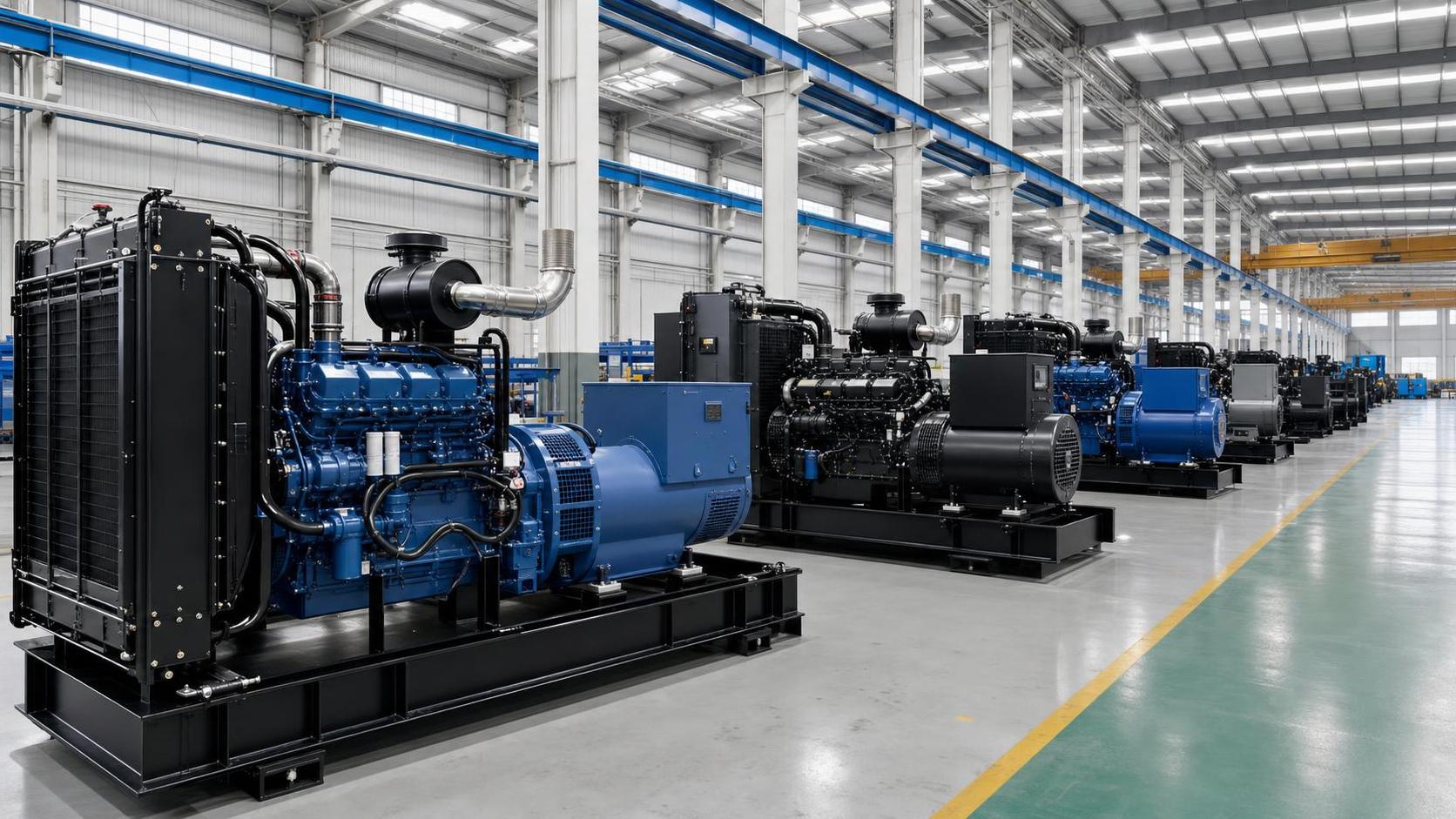
The demand for uninterrupted power has moved beyond simple backup. Businesses today are evaluating suppliers based on their ability to scale production rapidly without compromising quality. For a Foshan generator manufacturer, this means investing in large-scale facilities and multi-brand assembly capabilities. Guangdong Yundong Diesel Generator (EPOWER) has positioned itself to meet this shift, operating as a source manufacturer with a production range spanning 20 to 3000KW. This is not just about volume; it is about the capacity to deliver consistent output across diverse engine platforms like Cummins, Perkins, and Mercedes Benz. The result is a supply chain advantage that directly impacts project timelines for mines, hospitals, and data centers.
More importantly, the operational landscape for industrial users is changing. The need for rapid deployment of silent or high-voltage units is growing, driven by stricter environmental regulations and higher safety standards. A Foshan generator manufacturer that can integrate open, silent, and gas-powered configurations into a single production line offers a clear logistical edge. This trend is not temporary. It reflects a fundamental change in how businesses assess risk and plan for operational continuity. The ability to deliver customized exports with consistent lead times is becoming a primary criterion for long-term partnerships.
Why Production Scale Is Becoming a Strategic Differentiator
In the past, buyers often prioritized price over production stability. That calculation has shifted. Recent global supply chain disruptions have shown that a manufacturer with deep production capacity can absorb shocks more effectively. A Foshan generator manufacturer with integrated sourcing and assembly lines, like EPOWER, can maintain output even when component availability fluctuates. This is especially relevant for high-demand sectors such as data centers, where downtime is not an option. The ability to rapidly produce 3000KW units with Yuchai or Weichai engines means project managers can secure backup power without extended wait times.
Another factor driving this change is the increasing complexity of power requirements. Hospitals require highly reliable, silent operation. Mines need rugged, durable sets that can handle extreme conditions. Factories often demand high-voltage solutions. A manufacturer that can seamlessly switch between these configurations within a single facility is better positioned to serve diverse markets. This is where the Foshan industrial ecosystem provides a distinct advantage. The concentration of component suppliers and skilled labor in the region allows for faster turnaround and more rigorous quality control. For business evaluators, this translates into lower supply chain risk and greater project predictability.
The Growing Importance of Multi-Brand Engine Integration
One of the most noticeable trends in the generator market is the move toward multi-brand engine integration. Buyers no longer want to be locked into a single engine supplier. They need flexibility to choose between Cummins, Perkins, Mitsubishi, or Scania based on project budget, fuel availability, and maintenance networks. A Foshan generator manufacturer that offers this breadth of options provides a significant operational advantage. EPOWER, for example, assembles units across all these major brands, allowing clients to match engine performance to specific application requirements. This flexibility is not just convenient; it is a strategic asset for global projects.
This trend is also driven by the growing need for localized service support. In different regions, certain engine brands have stronger service networks. A mining operation in Africa might prefer a Perkins engine for its parts availability, while a data center in Southeast Asia might opt for a Mitsubishi unit. By working with a manufacturer that can accommodate these preferences, businesses reduce their long-term operational risk. The ability to source, test, and ship custom configurations from a single facility in Foshan streamlines the entire procurement process. It also ensures that the final product meets both local regulatory standards and performance expectations.
How Application-Specific Demands Are Driving Innovation
The days of a one-size-fits-all generator are ending. Application-specific requirements are becoming more detailed and stringent. For example, data centers require generators with precise voltage regulation and rapid start-up times. Hospitals need units that operate at low noise levels without compromising power output. Factories often require high-voltage or gas-powered solutions to meet sustainability targets. A Foshan generator manufacturer that can deliver these specialized configurations as standard offerings is better aligned with market needs. This shift is pushing manufacturers to invest in R&D and production line flexibility.
The implications for business evaluators are clear. It is no longer enough to look at total power output alone. The specific configuration, the type of enclosure, the control system, and the integration of energy storage or gas options are all critical factors. When evaluating a supplier, it is important to assess whether they can handle the full spectrum of technical requirements. EPOWER’s ability to produce open, silent, high-voltage, gas, and energy storage power equipment from a single production base gives it a distinct footprint in this evolving landscape. This capability reduces the need for multiple suppliers and simplifies project management.
Key Factors Driving the Shift in Production Capacity Strategy
Several underlying factors are pushing manufacturers like EPOWER to expand and refine their production capacity. Understanding these factors helps business evaluators make more informed decisions when selecting a partner. The table below summarizes the main drivers and their corresponding impact on the supply chain.
These drivers are not isolated. They interact and amplify each other. For instance, tighter regulations in Europe are increasing demand for gas-powered units, which in turn requires manufacturers to develop new production capabilities. A Foshan generator manufacturer that can anticipate and invest in these areas early will be better positioned to serve global markets. This is not just a matter of capacity; it is a matter of strategic alignment with future market conditions.
What Business Evaluators Should Focus on Now
The trend toward larger, more flexible production capacity is clear. However, the real value lies in how a manufacturer translates that capacity into consistent delivery and quality. For evaluators, the first step is to verify the supplier’s ability to handle multi-brand engine sourcing and assembly. A manufacturer like EPOWER that works with Cummins, Perkins, Mercedes Benz, Mitsubishi, Yuchai, Weichai, and Scania offers a level of choice that reduces project risk. The second step is to assess the range of configurations available. Being able to supply open, silent, high-voltage, gas, and energy storage equipment from one source simplifies logistics and reduces coordination overhead.
Another area to examine is the manufacturer’s track record in customized exports. The ability to adapt units to specific voltage, frequency, and connection standards for different countries is a strong indicator of operational maturity. It also reflects a deeper understanding of global regulatory environments. For businesses planning long-term investments in backup power, partnering with a Foshan generator manufacturer that can demonstrate this level of capability is a practical move. It shifts the focus from price negotiation to value creation and risk mitigation.
Looking Ahead: The Next Phase of Generator Market Evolution
The next few years will likely see continued consolidation of production capacity among leading manufacturers. The demand for integrated power solutions that combine diesel, gas, and energy storage will grow. This means that the ability to scale production while maintaining technical diversity will become even more important. For a Foshan generator manufacturer, staying ahead will require ongoing investment in testing facilities, quality control systems, and supply chain resilience. EPOWER’s current positioning as a source manufacturer with a broad product range suggests it is well aligned with this trajectory.
From a practical standpoint, business evaluators should start mapping their upcoming projects against the capabilities of potential suppliers. It is worth asking whether the manufacturer can handle the full load range from 20 to 3000KW without subcontracting. It is equally important to confirm that they can deliver the specific enclosure type and engine brand required. These questions are not just about technical fit. They are about ensuring that the supply chain is robust enough to support the operational demands of mines, hospitals, data centers, and factories. The trend is moving toward deeper partnerships with manufacturers that can offer both scale and flexibility.
Next Steps for Evaluating a Foshan Generator Manufacturer
The evidence points to a clear direction: production capacity is no longer just a manufacturing metric; it is a strategic business factor. For those evaluating potential partners, the focus should be on verified capabilities, multi-brand integration, and the ability to customize at scale. The next step is to conduct a detailed capability review against your specific project requirements. Consider scheduling a direct consultation to discuss load profiles, environmental conditions, and delivery timelines. This approach allows you to move beyond general assumptions and into actionable planning.
It is also advisable to request case studies or references from the manufacturer regarding similar projects in your industry. Whether the application is a data center in need of high-voltage backup or a hospital requiring silent operation, real-world examples provide the strongest evidence of capability. As the market continues to evolve, the ability to adapt quickly and scale reliably will separate the leading suppliers from the rest. A Foshan generator manufacturer that demonstrates these qualities is worth serious consideration for any business looking to secure its power infrastructure for the long term.
Specialized field of steel wire ropes
24/7 before-sales and after-sales services
Comprehensive technical support